
May 20, 2026
Case Study Page Template for SEO and Trust
Write credible case studies with context, constraints, decisions, delivery evidence, attribution and privacy. Use this template without inventing claims.
Read articlePublished Updated
Case study writing template for B2B trust with problem, context, solution, screenshots, outcomes, proof, and CTA structure.
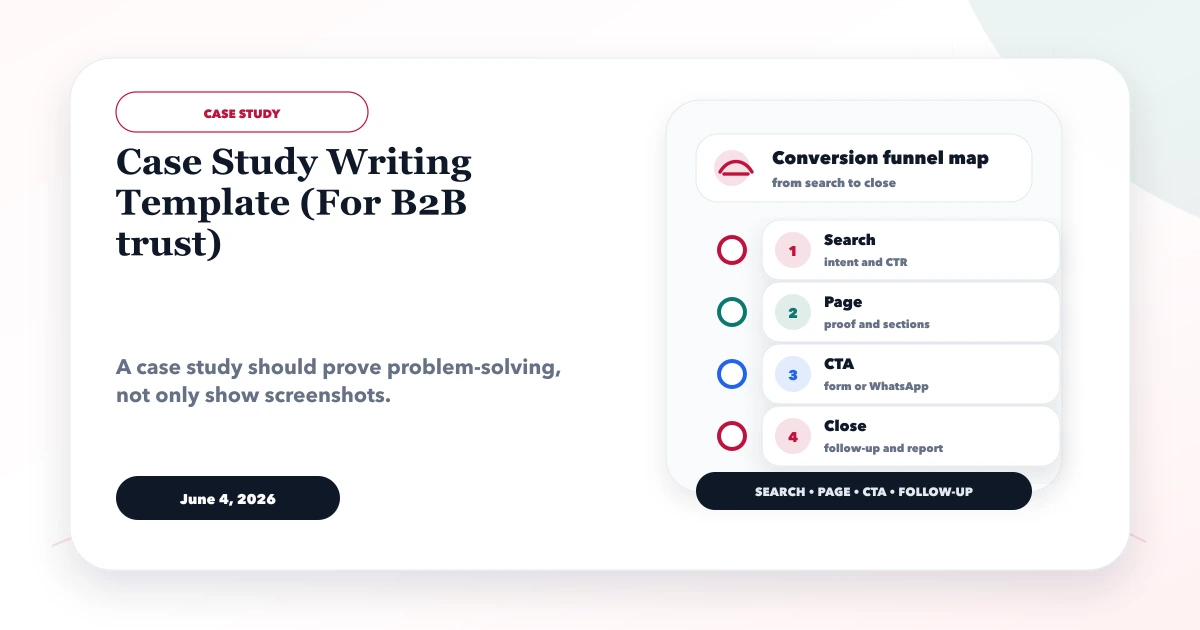
This case study writing template for B2B trust begins with evidence, not adjectives. A credible story explains the starting process, constraints, decisions, delivered scope, and observable change without turning an illustrative example into a customer result.
B2B buyers use case studies to reduce risk. They want to see whether the provider understands a similar workflow, can explain trade-offs, protects confidential information, and delivers something the client's team can operate after launch.
By Tushar C. (Founder, VASUYASHII). Reviewed by VASUYASHII Editorial for practical SEO, landing pages, WhatsApp funnels, GA4 event tracking, conversion copy, service page content, and business website delivery.
A B2B case study should include client context, problem, constraints, solution, process, screenshots, measurable or practical outcome, lessons, and CTA. It should help buyers see how you solve similar problems.
Many portfolios show a homepage screenshot and a broad sentence such as "modern website delivered." That does not explain what the business needed, what was included, or whether the result can be verified.
Imagine a distributor replacing a spreadsheet-based quotation process. A useful case study would document the previous approval steps, common errors, required user roles, the first release, representative screens, training approach, and the operational change observed after adoption. It would not claim a revenue percentage unless the client supplied a reliable measurement method and approved publication.
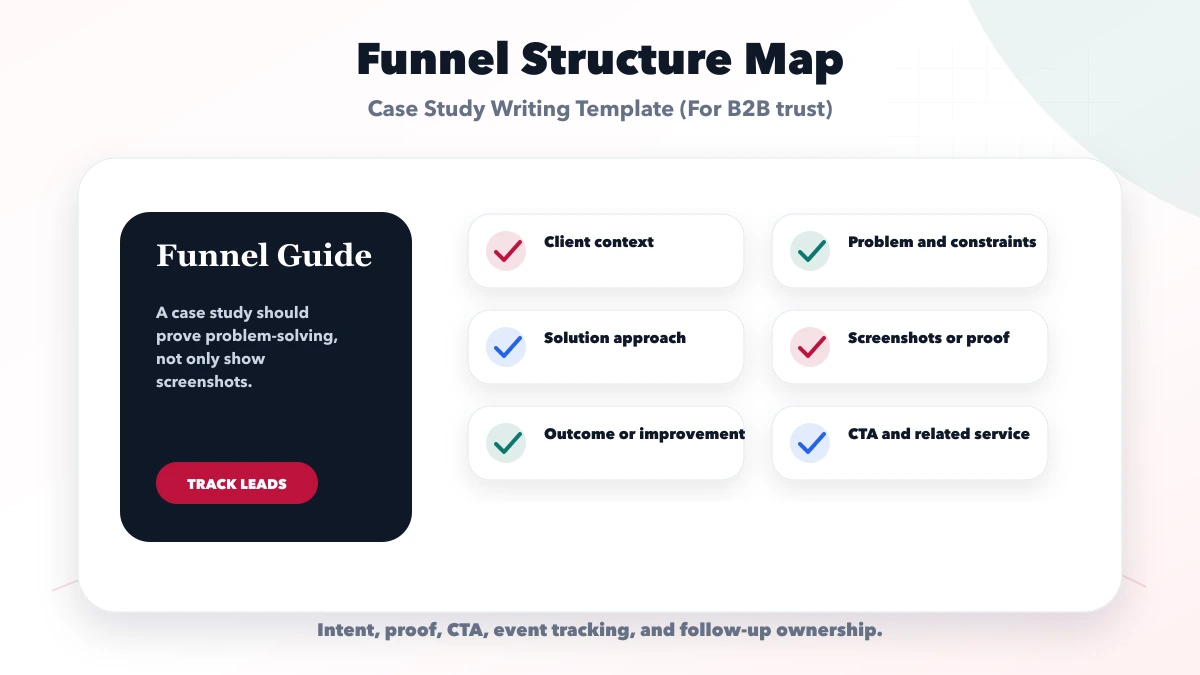
Each check should connect to a real buyer action. If a section, title, button, or event does not help search visibility, trust, contact, tracking, or follow-up, it should be simplified or moved.
| Funnel area | What to include | Why it matters |
|---|---|---|
| Short case note | Problem, solution, result | Good for portfolio cards |
| Full case study | Context, process, screenshots, outcome | Good for B2B trust |
| SEO case study | Keywords, service links, FAQs | Good for organic discovery |
The right funnel setup depends on the page goal. SEO pages need intent clarity and internal links. Landing pages need proof and CTA. WhatsApp and forms need tracking and follow-up ownership.
Create one source folder for the project before drafting. It may include:
If an item is unavailable, do not fill the gap with an invented number. State the practical outcome that can be demonstrated, such as replacing multiple manual status sheets with one owned approval queue.
Describe the industry, team, customers, and process relevant to the project. Keep it concise and remove confidential facts that do not help the decision.
Explain the exact friction: repeated data entry, unclear lead ownership, slow approvals, inaccessible reports, weak mobile enquiries, or another observed issue. Name the baseline only when its measurement is documented.
List budget phase, deadline, existing systems, migration quality, staff skills, compliance boundaries, or third-party API limits. Constraints show why the chosen solution was reasonable.
State what was delivered in the published phase and what remained manual, optional, or future work. This prevents the case study from implying a larger implementation than the evidence supports.
Show two or three meaningful decisions. For example, explain why phase one used a manual commercial approval before automating payment reminders, or why a mobile-first enquiry flow was prioritized over a large blog archive.
Use annotated screenshots, a workflow map, a document sample, or a short demonstration. Remove personal data, credentials, invoice values, and internal URLs unless publication is explicitly approved.
Define the observation period and metric. Separate website events such as form submissions from qualified leads and closed sales. If the outcome is qualitative, identify who observed it and what changed in the process.
Link to the service that matches the demonstrated capability and offer a relevant discussion. Do not turn the final paragraph into an unrelated list of every service.
| Evidence available | Defensible wording | Avoid |
|---|---|---|
| Valid before-and-after measurement | State metric, period, source, and limitations | A percentage without baseline or attribution |
| Client-approved process change | Explain the previous and new workflow | Calling it a financial result |
| Product or demo screenshot only | Label it as capability evidence or illustration | Presenting it as a customer deployment |
| Confidential project | Use an approved anonymized context | Adding clues that identify the customer |
VASUYASHII currently labels public industry demos as fictional demonstrations rather than customer outcomes. That boundary should remain visible until a project has evidence and publication approval.
A future VASUYASHII case study should begin with a permission record and source pack. The page must identify whether the work was a website, web app, integration, Business Suite setup, or another defined engagement. Screens should show delivered workflow evidence with private records removed.
The narrative should distinguish four things that are often mixed together:
If only the first two can be verified, publish those honestly. A detailed implementation decision can be useful even without a dramatic percentage. The page should link to the matching service, retain a review owner, and remove or update claims when the product or customer process changes.
This standard also prevents public demo pages from being counted as portfolio proof. Demos can help a buyer inspect design direction and workflow thinking; only an approved delivery record can support a customer-result claim.
Add a final fact-check table to the draft with columns for claim, source file, approver, approval date, and public wording. This makes future updates safer when a product screen, integration, team member, or customer process changes. Archive withdrawn proof instead of silently replacing it with a stronger-sounding unsupported sentence.
Use this roadmap to build one measurable improvement at a time. Review the result before adding more tools, pages, events, or automations.
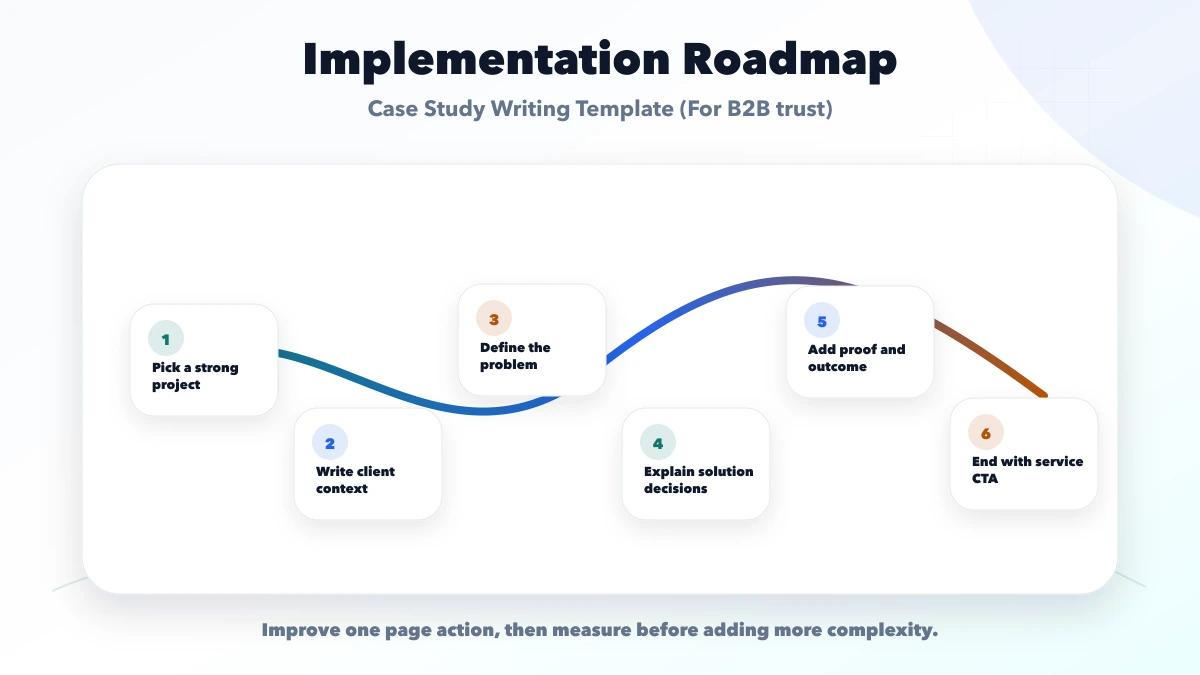
This checklist protects the page from looking complete but failing commercially. A good page should make the next step obvious and measurable.
VASUYASHII would first map search intent, page structure, proof, CTA, WhatsApp or form flow, GA4 events, lead source, and follow-up ownership. Then we would improve the page or funnel in phases.
Useful links: web application services, software development, integrations, services, and contact.
Avoid judging conversion only by page design. Leads usually improve when message clarity, proof, CTA, speed, tracking, and follow-up work together.
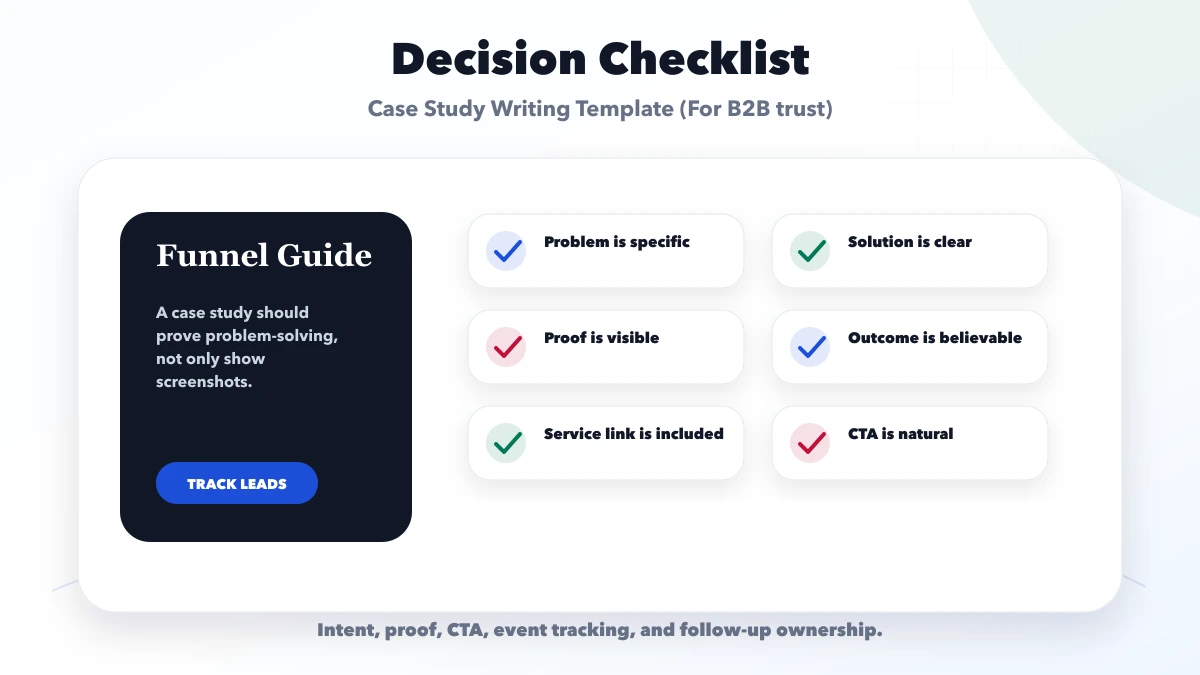
Include context, problem, constraints, solution, process, proof, outcome, and CTA.
Metrics help, but practical outcomes and before-after clarity can also build trust.
Yes, if the problem, industry, solution, and outcome are clear without exposing private details.
Yes. Link naturally to the service or project type demonstrated.
Yes. We can structure case studies for trust, SEO, and lead generation.
If you want a practical plan for case study writing template for B2B trust, VASUYASHII can help with scope, design, development, SEO setup, integrations, tracking, launch, and maintenance.
Related Articles
May 20, 2026
Write credible case studies with context, constraints, decisions, delivery evidence, attribution and privacy. Use this template without inventing claims.
Read article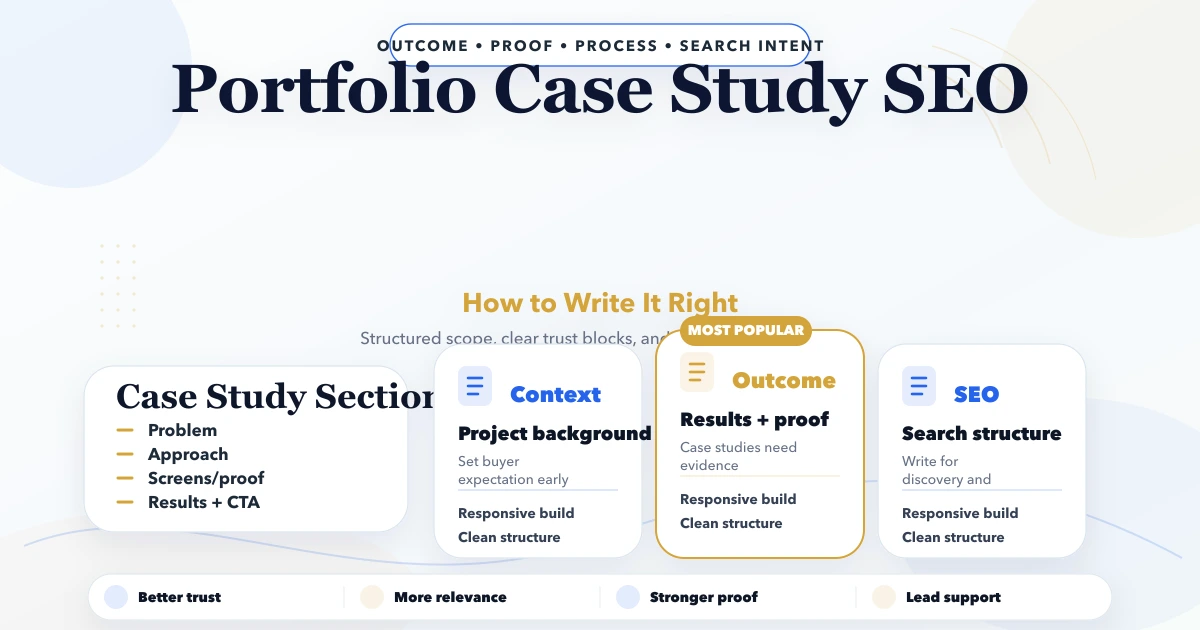
April 23, 2026
Write an SEO-friendly portfolio case study with approved evidence, clear decisions, honest outcomes, useful visuals, internal links and buyer-focused structure.
Read article
April 24, 2026
Plan a Pune employer-brand website with role pages, truthful culture proof, candidate routing, B2B capability links, privacy, analytics, and ownership.
Read article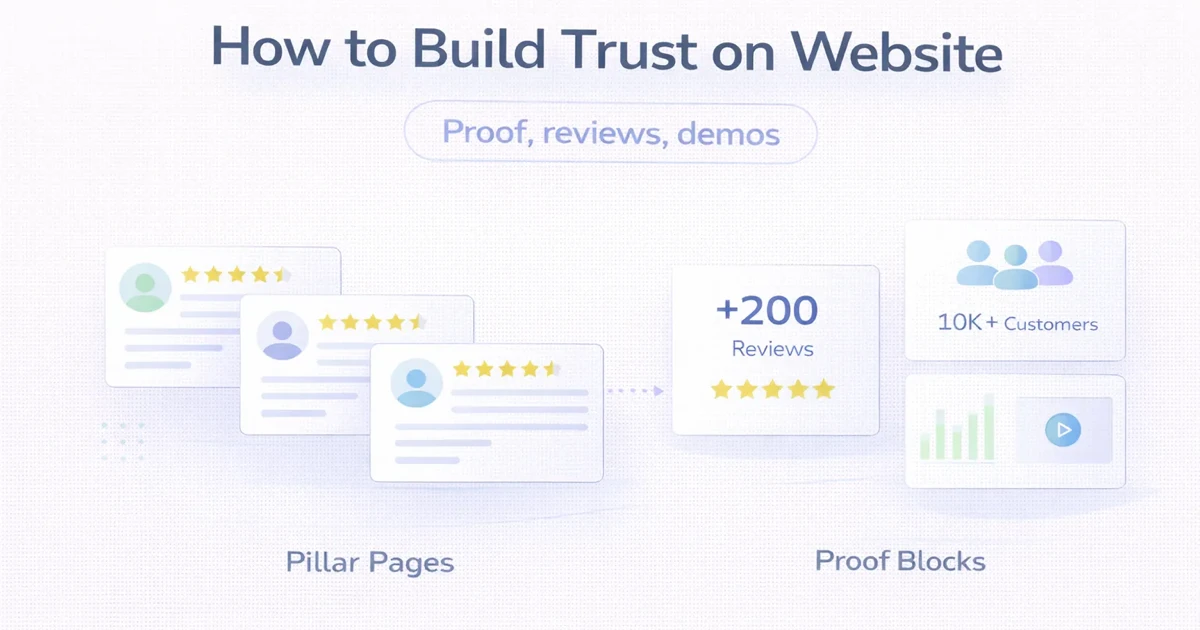
March 31, 2026
Build website trust with verified reviews, clearly labelled demos, safe screenshots, transparent process, current business details and honest proof placement.
Read article