App Planning
A mobile app should not be created only because competitors have one. It should make a repeated business action faster: capturing leads, scanning products, updating delivery status, checking stock, booking appointments, sending notifications, or giving customers a simple account area. This is why our planning starts with user roles, offline needs, device permissions, API data, and the reports the owner needs after the app is used.
For staff workflows, use our employee attendance and task app guide to compare roles, attendance rules, task evidence, reports, and phased development cost before finalizing the app scope.
For customer self-service, review the Delhi NCR mobile-app planning guide for account identity, documents, requests, notifications, backend ownership, account closure, and phased rollout checks.
If an existing app has crashes, slow screens, unclear onboarding, API failures, or weak analytics, use the mobile app audit checklist to turn evidence into a prioritised release plan.
Field team and staff apps
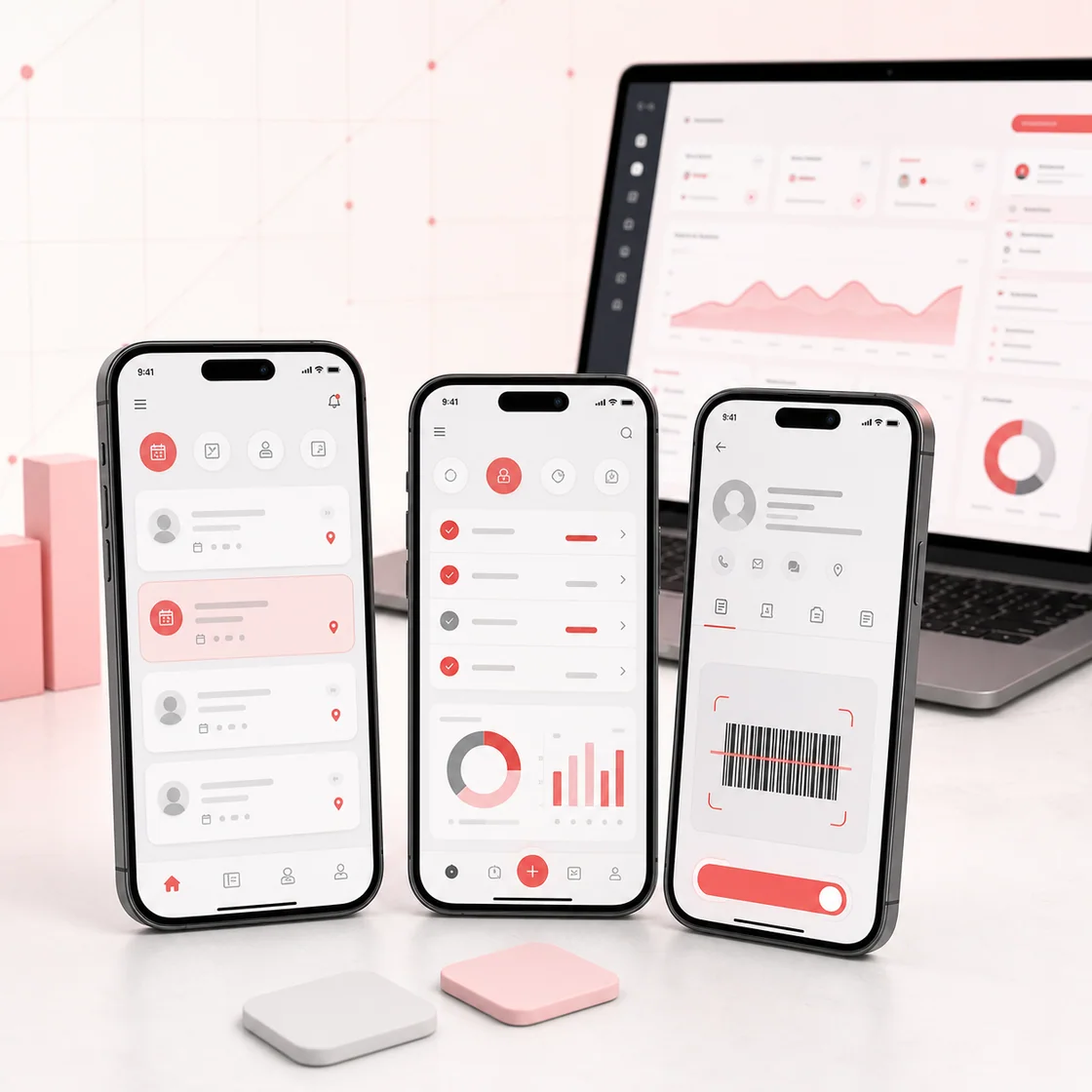
Useful for sales teams, delivery staff, technicians, supervisors, and branch teams that need to update records while working outside the office. The app can capture customer details, visits, stock movement, photos, notes, attendance, or service status and sync the data back to the main system.
Barcode, QR, and inventory apps
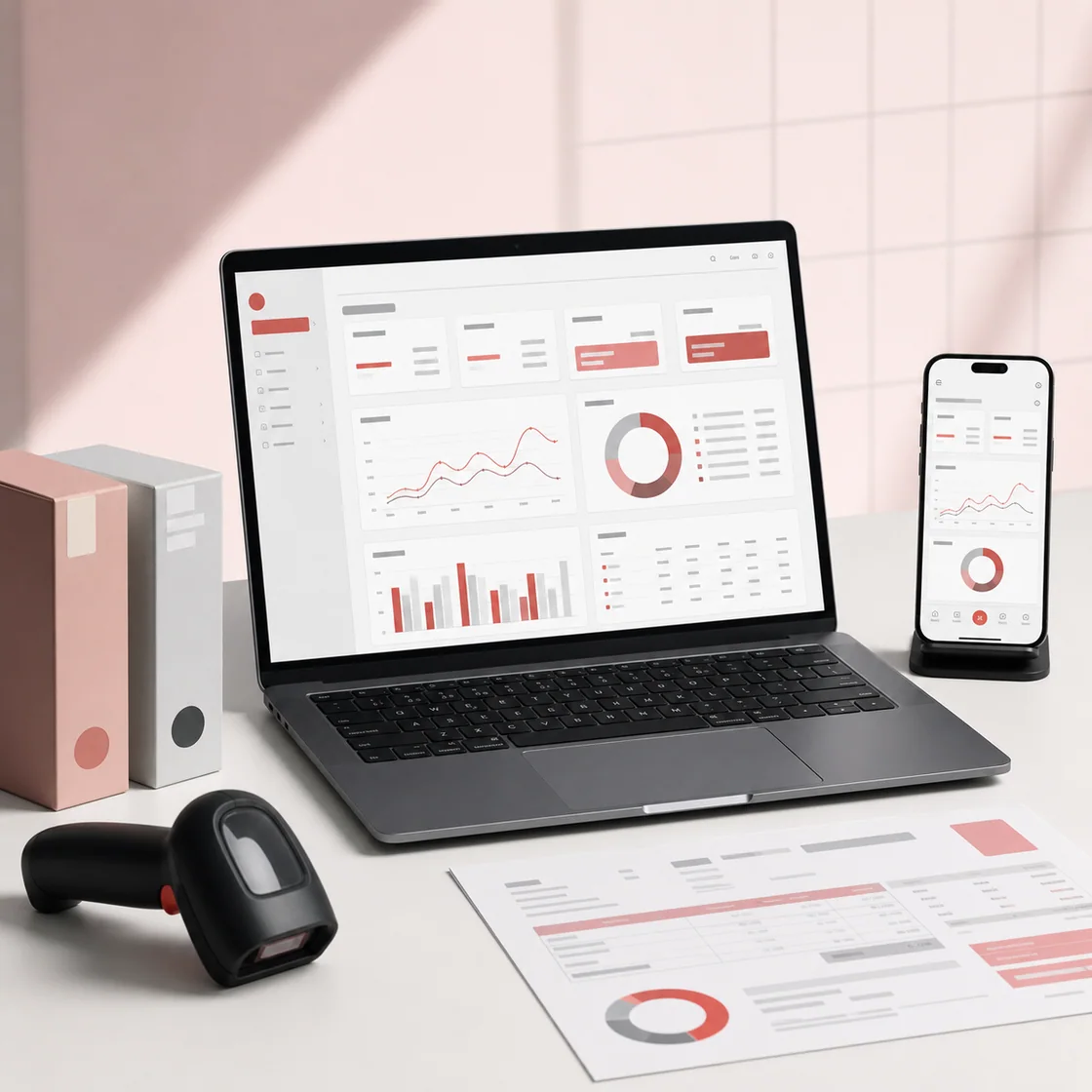
Mobile apps are strong for barcode scanning, QR-based workflows, stock counting, inward/outward entries, delivery challans, warehouse checks, and product verification. This is helpful for retailers, distributors, hardware shops, warehouses, and businesses where desktop entry slows the team down.
Customer and booking apps
A customer-facing mobile app can support bookings, order status, payment links, notifications, service history, loyalty flows, and support requests. We keep the first version focused so users get a fast experience instead of a heavy app with rarely used features.