VASUYASHII

API integrations for websites, payments and business software

VASUYASHII reviews how your website and business systems exchange information, then scopes the required API connection or automation. Start with the source, destination, allowed data and result your team needs.

Compatibility, provider access, testing and ongoing support are agreed before implementation. Share the systems you use and the workflow you want to connect; do not send passwords in your enquiry.

Define the trigger, required result, failure handling and owner report before connecting APIs. Agree logs, alerts and fallback steps for the workflow your team will operate.

Request an integration review
Concept illustration of a website enquiry connected to a CRM workflow

Concept illustration. The supported systems and workflow are agreed after review.

Related Services

Integrations work best when the source system is clear.

Connect automation planning with the right web app, CRM, ERP-lite, billing, inventory, or Business Suite workflow before adding APIs.

Automation Scope

Connect systems only after the workflow is clear.

Good automation is not just connecting two APIs. It needs clear business rules: what event starts the automation, which customer data is allowed to move, what happens when the API fails, who receives alerts, and where the activity is logged. We plan these details so the final system helps the team instead of creating another hidden process to monitor manually.

Lead and enquiry automation

Website forms, landing pages, Google Ads leads, WhatsApp clicks, and call enquiries can be routed into a CRM or sheet with source, page, service, and follow-up status. This gives the owner visibility into which page or campaign is actually creating conversations.

Payment and order automation

Payment workflows need an agreed provider status, a matching order or invoice, and one confirmed update in the business system. A customer returning from checkout alone is not payment confirmation. Test successful, failed, repeated and delayed events, then agree how unresolved payments will be reconciled.

WhatsApp and document flows

Invoices, PDFs, reminders, appointment updates, delivery statuses, and support messages can be sent through approved WhatsApp flows. We plan the message template, trigger, recipient data, retry handling, and privacy rules before implementation.

What We Integrate

Discuss these connection types during the review. Each provider must support the required access and use case; account approval and any usage charges are confirmed separately.

WhatsApp Cloud API

Order confirmations, status updates, reminders, and automated customer communication using official WhatsApp APIs.

CRM & Support Tools

Integration with CRM systems for seamless customer support, lead tracking, and customer lifecycle management.

Payment Gateways

Review Razorpay, Stripe or another gateway against your account eligibility, supported payment flow and status-confirmation requirements.

Email, SMS & Notifications

Scope customer and team notifications across email, SMS or WhatsApp, including delivery status, permitted recipients and failure handling.

Integration Checklist

Every automation needs a source, trigger, destination, and log.

These checks make integrations easier to test and maintain. They also help decide whether the automation should live inside your web app, CRM, Business Suite, website backend, or a separate lightweight middleware service.

1. Trigger: form submission, payment success, invoice created, stock low, booking confirmed, or status changed.
2. Source system: website, CRM, ERP-lite, Business Suite, payment gateway, Google Sheet, or custom app.
3. Destination: WhatsApp, email, SMS, CRM, report dashboard, sheet, backend database, or support tool.
4. Data fields: agree which fields may move, why they are needed, who can access them and how long they are retained. Use sample records for testing.
5. Failure handling: duplicate prevention, retry rules, logs, alerts, and manual correction process.
6. Compliance and safety: secure links, limited data exposure, correct access, and approved templates where required.


Before we connect your systems

Confirm access, scope and costs

Check API availability, vendor permission and a suitable test environment. Agree the allowed data, provider approvals and usage charges. The proposal should name the covered systems, support owner and handover materials.

Verify the result in the destination

Use sample records to check the expected result, failed and repeated events, and delayed delivery. Confirm payment status with the provider and matching business record before treating an order or invoice as paid. Record how unresolved items are handled.

Why Automation Matters

  • ✔ Faster response times and improved customer experience
  • ✔ Reduced manual work and operational costs
  • ✔ Fewer human errors in repetitive processes
  • ✔ Real-time visibility into system activities
  • ✔ Scalable workflows that grow with your business

FAQs

Integration questions we answer before implementation.

What should be automated first?

Automate the repeated task that either saves the most time or prevents lost revenue. Common first automations include lead capture, WhatsApp follow-up, payment confirmation, invoice sharing, appointment reminders, and daily reports.

Can you connect existing software with a new website?

We first review the software's permitted API, webhook, export or other supported access. A CSV import, Google Sheet or middleware service may be an option, but feasibility depends on the vendor's permissions, available data and required workflow. Confirm the supported approach before implementation.

Are WhatsApp automations safe for business use?

They can be safe when built with official API rules, approved templates where needed, secure public links for documents, proper opt-in practices, and logs for important notifications.

Do integrations need maintenance?

Yes. APIs change, tokens expire, templates get updated, and business rules evolve. We plan logs, alerts, and support so the automation can be checked and fixed instead of failing silently.

Can I see a demo of my proposed integration?

After reviewing your systems and requirements, we can discuss a relevant example or a separately scoped prototype using sample records. An existing demo is not available for every system combination. Agree prototype work, costs and acceptance checks before starting.

Are provider approval and usage charges included?

Provider account approval, API availability and usage charges depend on the services being connected. The proposal should identify these dependencies and any included setup or support. A successful test does not by itself establish provider approval or readiness for live transactions.

First-party implementation evidence

A lead counts only after the backend confirms it.

Review how VASUYASHII separated form submission from confirmed lead creation, carried service context through the contact flow, tested failure states, and kept personal form values out of analytics events.

This case study covers our own website enquiry flow. Payment, CRM or WhatsApp integrations for your systems require their own scope and checks.

Review the lead-tracking case study

Connected Systems. Automated Workflows.

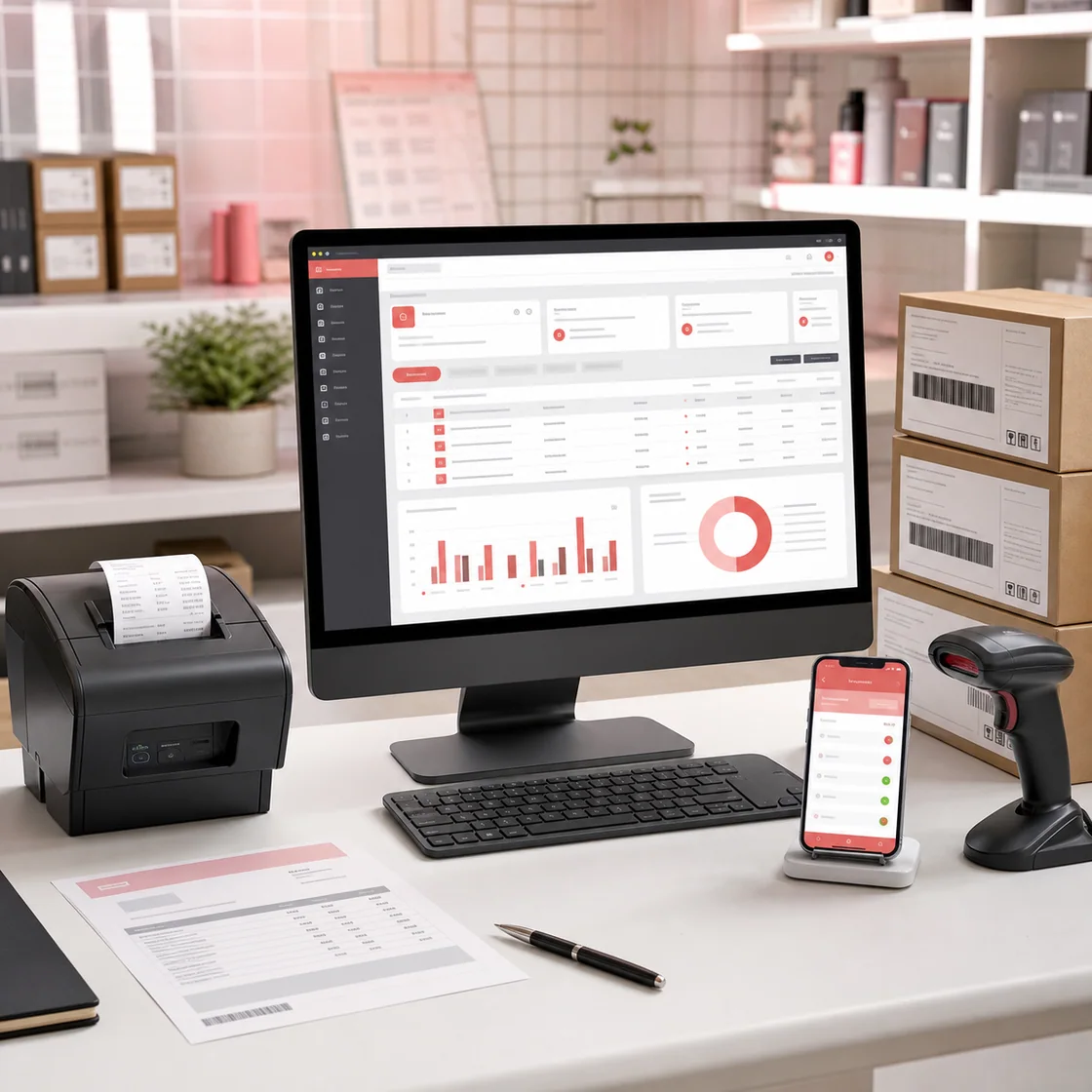
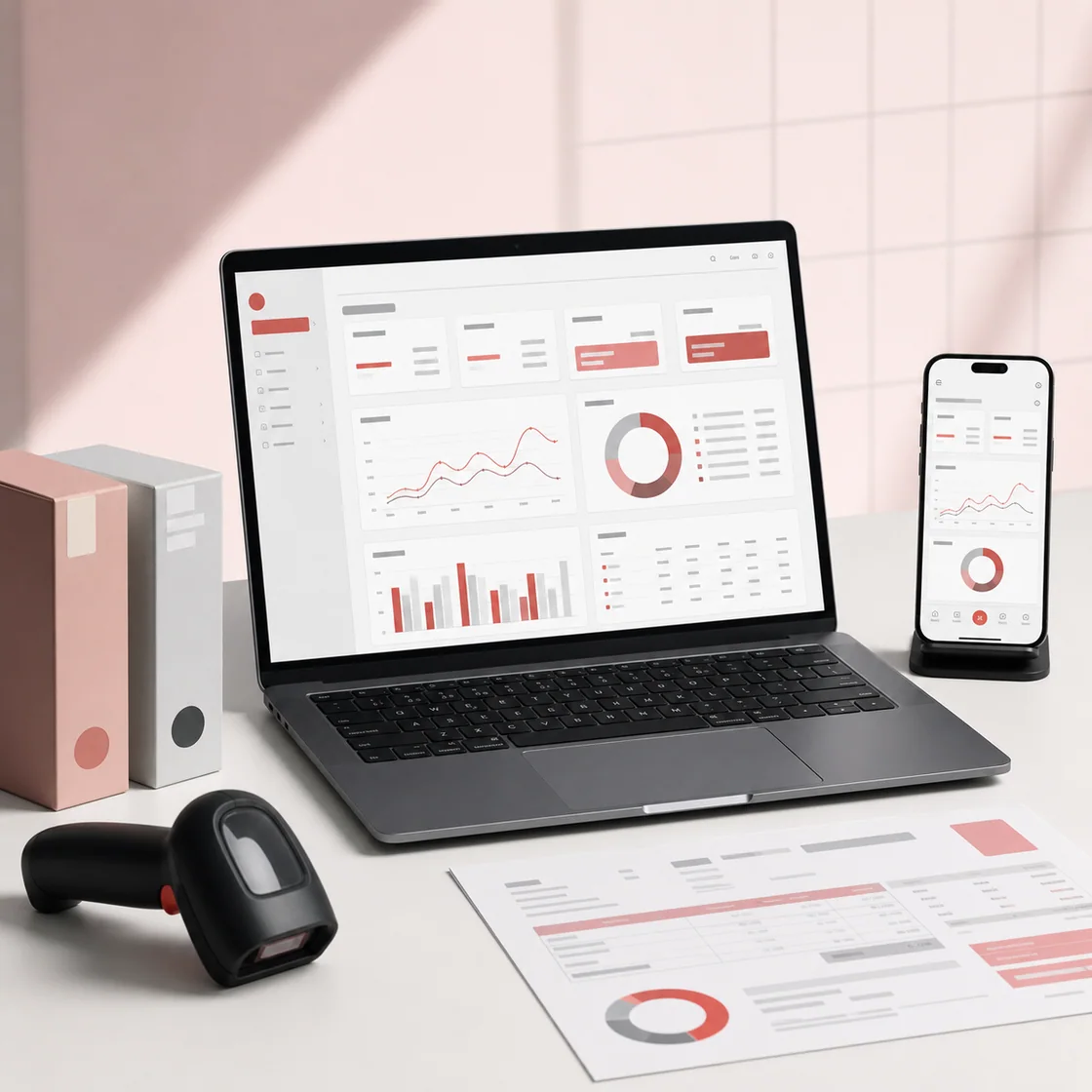
Concept illustrations of possible connections. They are not screenshots of delivered client systems or proof of provider approval.

Concept illustration of a website enquiry and CRM workflowConcept illustration of billing, inventory and barcode connectionsConcept illustration of a business dashboard and mobile connection

Automate & Connect Your Business Systems

Share your systems and the workflow you want to connect. After reviewing the requirements, we can discuss a relevant example or a separately scoped prototype using sample records.

Request an integration review