
June 4, 2026
Case Study Writing Template (For B2B trust)
Case study writing template for B2B trust with problem, context, solution, screenshots, outcomes, proof, and CTA structure.
Read articlePublished Updated
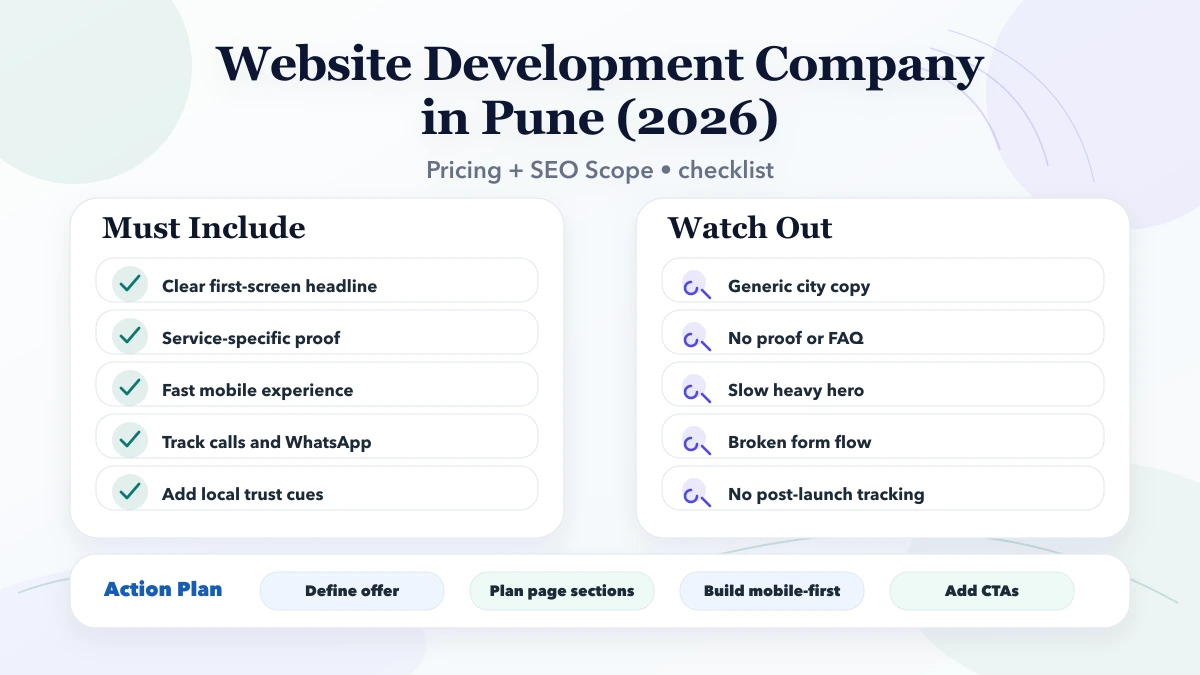
Plan a Pune employer-brand website with role pages, truthful culture proof, candidate routing, B2B capability links, privacy, analytics, and ownership.
Service-area note: VASUYASHII is based in Delhi NCR and supports businesses remotely across India. A city-focused guide describes service and planning context; it does not claim a physical office in every location mentioned.
Explore the parent topic: Website Development Delhi NCR Hub →A company comparing a website development company in Pune may need one website to serve two high-trust audiences: business buyers evaluating capability and candidates evaluating roles, culture, location, growth, and application safety. Mixing both audiences without clear routes creates generic pages and low-quality enquiries.
This guide focuses on employer-brand and B2B trust architecture. It does not claim a VASUYASHII Pune office, employee, client, hiring result, award, ranking, or guaranteed application volume.
Written by Tushar C. (Founder, VASUYASHII) using the current VASUYASHII website and workflow-planning process. The company must verify roles, locations, work model, compensation language, benefits, culture, employee stories, client evidence, certifications, and hiring policies.
The homepage can introduce one company, but navigation should make both routes clear.
| Audience | Questions to answer | Primary action |
|---|---|---|
| Business buyer | capability, fit, evidence, process, support | discuss requirement or request scope |
| Candidate | role, work, team, location, process, privacy | view role or apply |
| Partner/vendor | relationship, compliance, contact owner | submit partnership enquiry |
| Existing customer | support, documents, account route | reach approved support channel |
Do not send candidates through a general sales form or buyers through an HR inbox. Define separate forms, owners, status, and analytics events.
Useful employer content should be factual:
Avoid vague “family,” “unlimited growth,” “best culture,” or guaranteed-career claims. Show how work is organised and what candidates can expect.
| Role field | Required control |
|---|---|
| Title and function | approved naming and reporting context |
| Location/work mode | current, specific, and conditional where needed |
| Purpose | why the role exists |
| Responsibilities | realistic work, not every possible task |
| Required skills | separate essential and preferred |
| Experience | explain flexibility if applicable |
| Employment type | full-time, contract, internship, or other |
| Compensation | publish only under approved policy |
| Process | stages, broad timing, contact boundary |
| Status | active, paused, filled, or archived |
Set an expiry or review date. Filled roles should stop accepting applications and redirect visitors to current opportunities or a general talent route if one exists.
The public form should collect the minimum required for initial review:
Do not request bank details, government ID, detailed family information, or payment during an initial application. Clearly state official communication domains and that the company does not charge candidates when that is true and approved.
Define file type/size, malware scanning or handling, access roles, retention, deletion, correction, and export. If recruitment requires login, assessments, interview scheduling, or status, consider a controlled recruitment web app.
Integrations with an ATS, email, calendar, or CRM need field mapping, duplicates, permissions, failure handling, retention, and manual fallback. Review integration services before automating.
Culture proof can include:
Avoid staging testimonials as independent reviews or using employee content after permission is withdrawn. Do not expose private work, customer data, personal contact details, screens, or access credentials.
Candidates and buyers both evaluate whether claims are coherent. Capability pages should explain what the team delivers; employer pages can explain how relevant functions work without revealing confidential details.
Useful links include:
The site should not imply every employee worked on every project. Keep project evidence and employee stories separately approved.
A combined first release can include:
VASUYASHII's demo websites show sample structures but are not Pune client projects or measured outcomes.
Use one authoritative role URL per active position definition where possible. Avoid publishing duplicate role pages for every nearby location when the work mode and requirements are identical. Use structured data only when it accurately describes a visible, active job and required fields are current.
For buyer pages, map one intent to one owner. Avoid repeated city/service pages without unique evidence. Follow the service-city page guide.
Technical basics include unique metadata, self-canonicals, crawlable links, sitemap controls, structured data matching visible facts, redirects, mobile usability, performance, and final-www URLs.
Price depends on:
Separate public website work from recruitment software. Compare providers using discovery, content, design, development, data, integrations, third-party fees, testing, warranty, and ongoing ownership. Review professional website package inclusions.
Track non-personal events such as:
Never send candidate names, emails, phone numbers, resume details, free text, or employer-sensitive fields into analytics. The GA4 lead tracking guide explains event boundaries.
Test:
Use fictional harmless applications, then delete them according to the test-data rule.
The business should control domain, hosting, source, deployment, content, analytics, application data, and integrations. Assign owners for capability content, roles, culture proof, applications, privacy, structured data, accounts, and renewals.
Run a monthly review:
Usually one well-structured company website is sufficient. A separate careers platform may be useful at scale, but ownership and canonical boundaries must be clear.
WhatsApp may support questions, but resume handling, consent, access, status, retention, and deletion need an approved process.
Follow company policy and applicable requirements. If shown, state the role, range, currency, period, conditions, and approval.
Stop applications, update structured data, label or redirect the page appropriately, and offer current alternatives.
Yes with informed permission, accurate context, and a withdrawal/update process. Do not present scripted content as independent review evidence.
Measure qualified buyer enquiries and valid candidate progression, not only visits and clicks.
Publish the official application domain, recruitment contact boundary, and approved process. State clearly whether the company ever requests payment from candidates. Train recruiters to report impersonation pages or messages and give candidates a route to verify suspicious communication.
Before launch, search the website for outdated recruiter addresses, personal phone numbers, old role links, and payment language. Test that an expired role cannot accept an application and that confirmation does not promise an interview. Keep job-board and social links aligned with the canonical role page.
This check protects candidates and the employer brand. It also prevents stale structured data and copied role pages from continuing to attract applications for positions that no longer exist.
Build the Pune website with separate but coherent buyer and candidate journeys. Keep roles, culture, capability evidence, application privacy, integrations, and structured data owned and current. For website or custom software support and a written scope, contact VASUYASHII.
Related Articles
June 4, 2026
Case study writing template for B2B trust with problem, context, solution, screenshots, outcomes, proof, and CTA structure.
Read article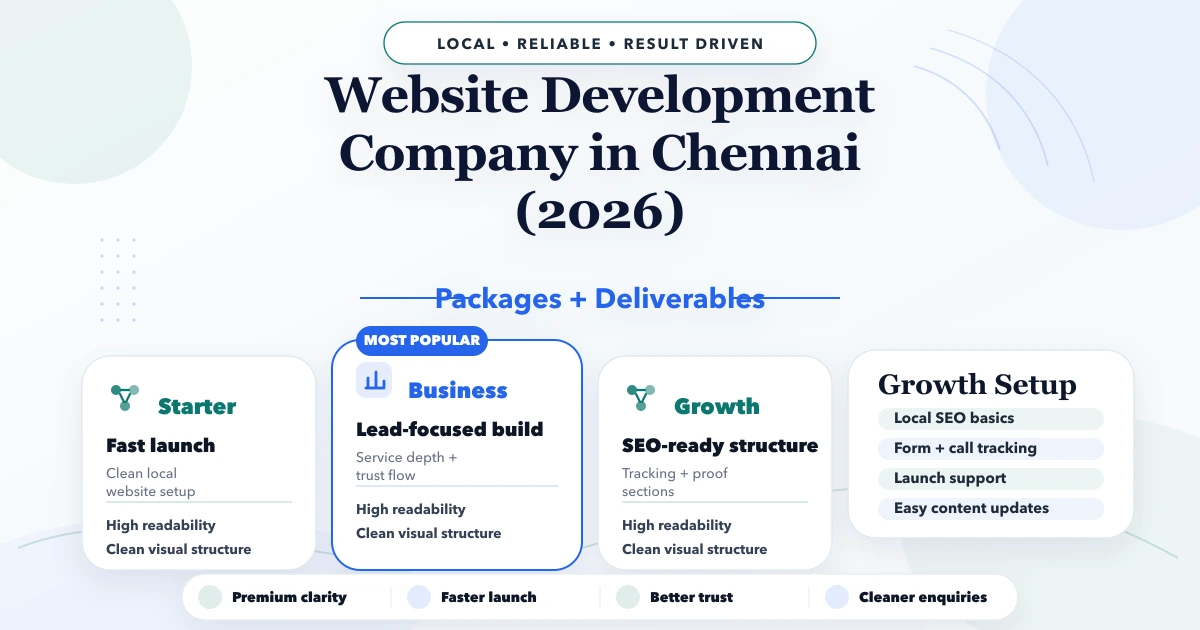
April 27, 2026
Plan a Chennai B2B technical website with capability pages, specifications, RFQ routing, evidence controls, multilingual needs, integrations, and ownership.
Read article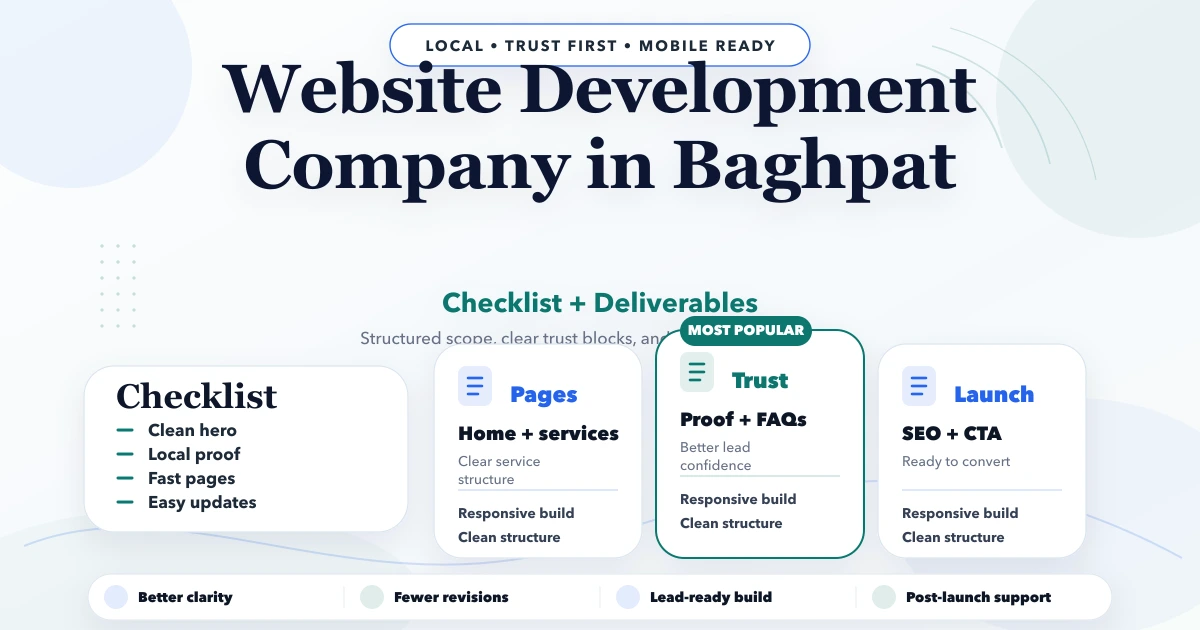
April 23, 2026
Plan a Baghpat B2B website with product categories, specifications, RFQ routing, dealer enquiries, content ownership and supplier proof.
Read article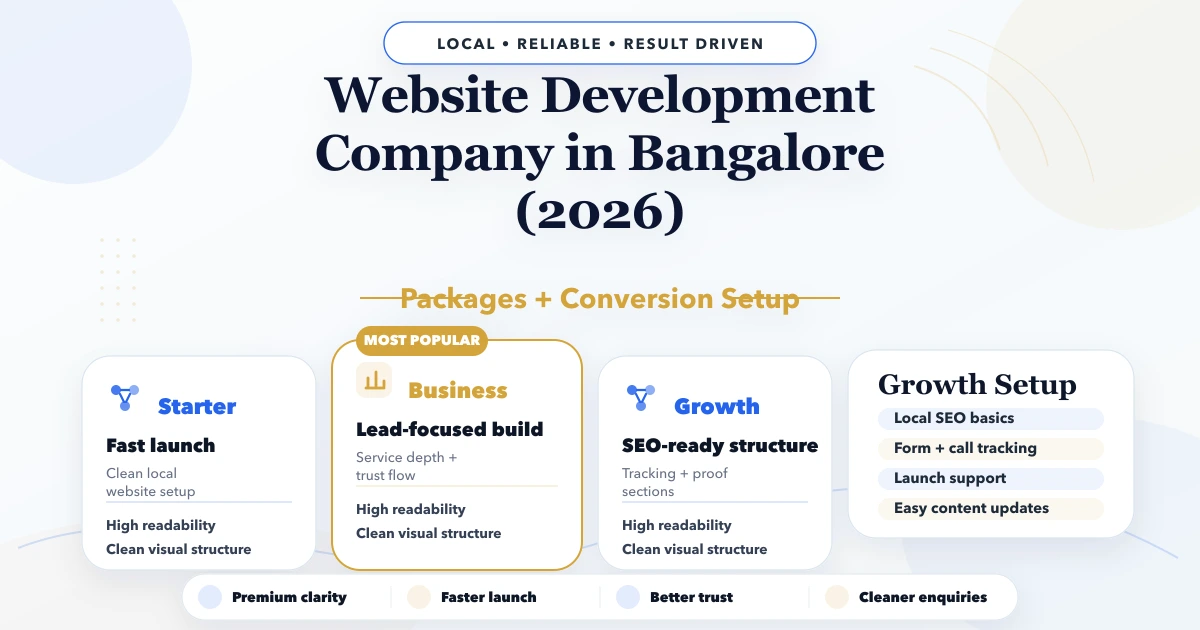
April 24, 2026
Plan a Bangalore startup website for product validation with claim controls, waitlist or demo journeys, analytics, experiments, handover, and governance.
Read article