
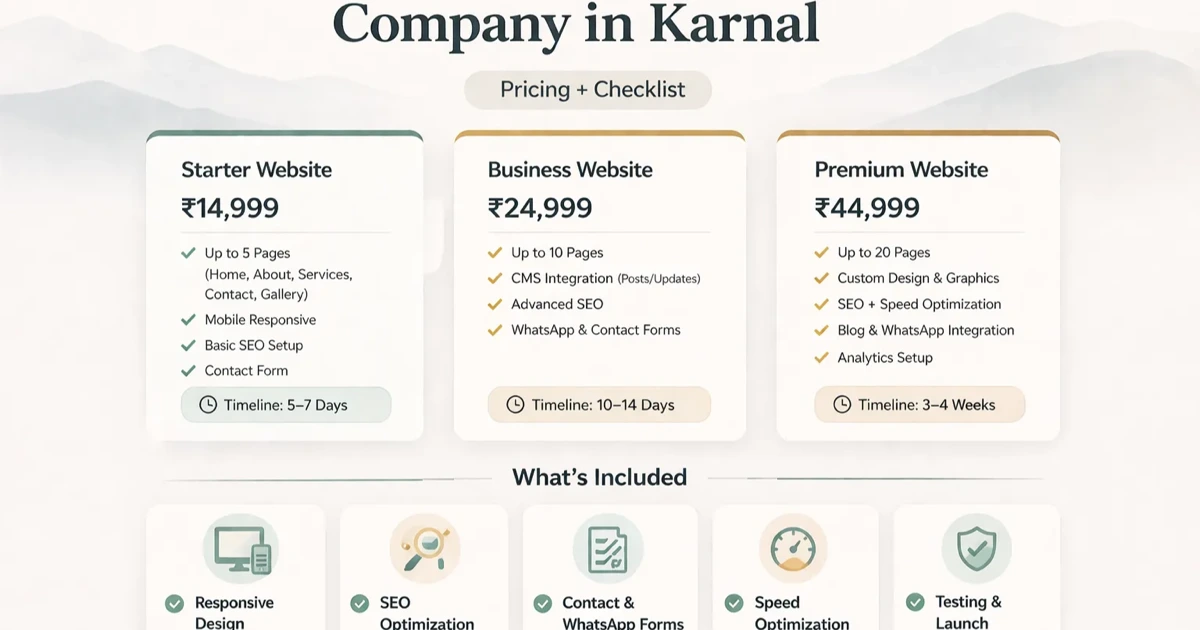
April 5, 2026
Karnal Website Plan for Agri and Dealer Enquiries
Plan a Karnal agri or dealer website with product categories, seasonal enquiry routes, RFQ inputs, documents, coverage, ownership, and acceptance checks.
Read articlePublished Updated
Plan a Chennai B2B technical website with capability pages, specifications, RFQ routing, evidence controls, multilingual needs, integrations, and ownership.
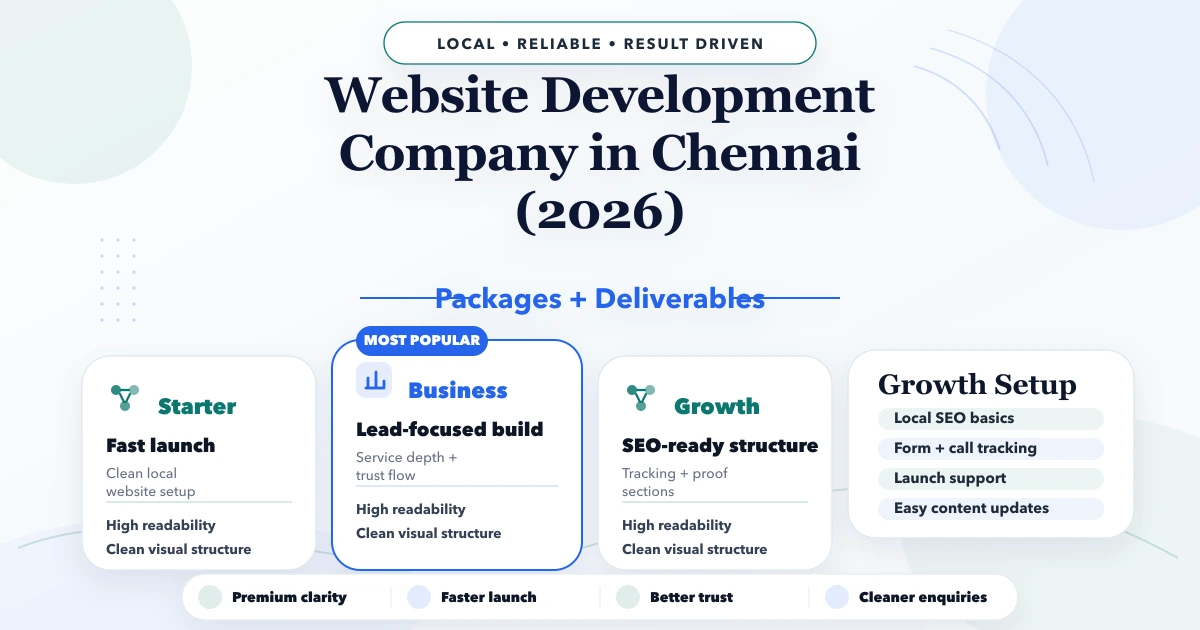
Service-area note: VASUYASHII is based in Delhi NCR and supports businesses remotely across India. A city-focused guide describes service and planning context; it does not claim a physical office in every location mentioned.
Explore the parent topic: Website Development Delhi NCR Hub →A company evaluating a website development company in Chennai may need to communicate technical products, engineering capabilities, SaaS features, manufacturing processes, export readiness, or industrial services to buyers who require evidence before enquiry.
This guide focuses on the technical B2B journey: capability discovery, specification review, qualification, RFQ routing, and handover. It does not claim a VASUYASHII Chennai office, local client, manufacturing facility, certification, ranking, or guaranteed pipeline result.
Written by Tushar C. (Founder, VASUYASHII) using the current VASUYASHII website, web-app, and integration planning process. The business must verify capabilities, specifications, tolerances, certifications, capacity, export markets, client logos, case evidence, security claims, and commercial terms.
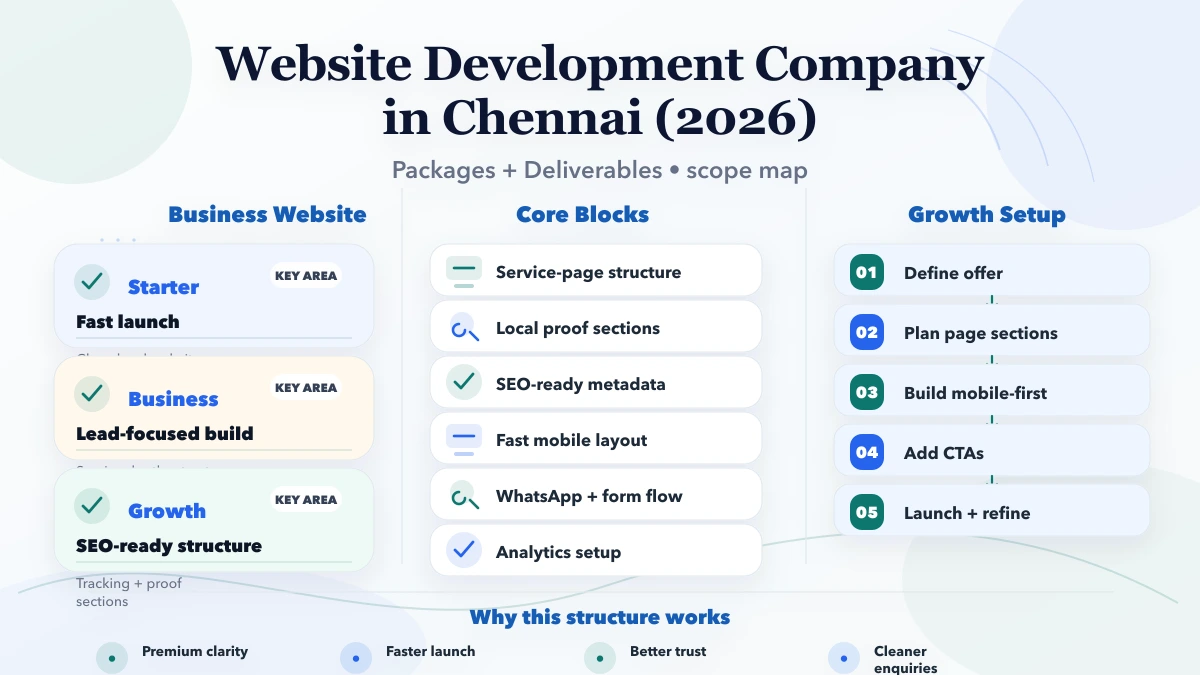
The website should answer questions in the order buyers evaluate risk:
A visual homepage cannot replace this decision path.
| Page type | Primary decision |
|---|---|
| Industry/problem page | Does the provider understand the operating context? |
| Capability page | Can the required work be performed? |
| Product/service page | What exactly is available and configurable? |
| Process/technology page | How is quality or delivery controlled? |
| Specification/resource page | Are current technical inputs available? |
| Evidence page | Which claims are verifiable? |
| RFQ page | What information starts a useful review? |
Avoid creating separate pages for every keyword when they repeat the same capability. One strong capability page can serve several industries through contextual internal links.
For each capability, record:
Do not copy internal specifications into public pages without review. Clearly distinguish example, typical, maximum, tested, certified, supported, and roadmap language.
Technical documents can become stale while search continues to surface them. Every catalogue, data sheet, certificate, security note, architecture overview, or manual needs an owner, revision, approval date, replacement rule, and public/private classification.
Use stable document links when revisions replace the file. If old versions must remain for historical reasons, label them clearly and prevent buyers from confusing them with current specifications. Never expose confidential drawings, pricing, credentials, customer data, or signed documents.
A technical RFQ may collect:
Do not require every field for early exploration. Use progressive qualification: broad fit first, controlled document exchange later.
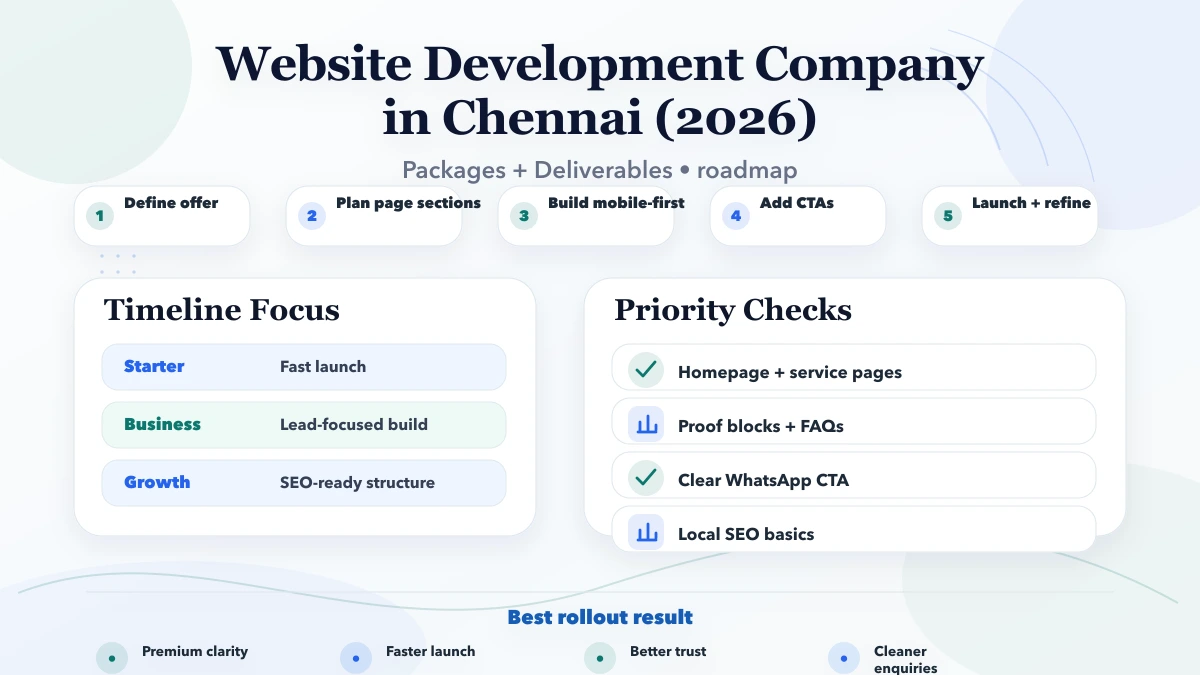
After submission:
If buyers need accounts, private documents, quote history, approvals, or order status, build a controlled customer or vendor portal.
Useful B2B evidence includes:
Do not publish client logos without approval, present a prototype as production, or imply a Chennai facility or relationship that does not exist. VASUYASHII's website demos are examples of design and structure, not customer projects.
Some buyers may need English plus Tamil or another language for selected tasks. Decide based on actual audience and support capacity. Product names, legal terms, technical units, safety text, and commercial conditions require controlled translation and qualified review.
Design with real translated labels and headings. Assign owners so both versions change together. Do not translate a capability claim if the reviewer cannot confirm its exact technical meaning.
Create a keyword-to-page map around buyer decisions:
Connect technical guides to the relevant capability and RFQ pages. Avoid mass-generated city pages and repeated “best company” articles. Follow the internal-linking plan to establish parent/support relationships.
Technical SEO should include unique metadata, self-canonicals, crawlable links, final URLs, sitemap inclusion, accurate structured data, redirects, mobile usability, performance, and secure delivery. These controls do not guarantee rankings.
A public B2B website is suitable for:
A web app is more appropriate for:
Keep the boundary explicit in the proposal. Review custom software services when operations cannot be handled safely through public pages.
An RFQ may connect to CRM, ERP, email, WhatsApp, or a ticketing system. Define:
Do not claim integration because a notification email is sent. Use integration and automation services for controlled implementation.
Price varies with:
Compare providers using one written scope. Separate website, application, integration, content, data, third-party fees, testing, warranty, and ongoing support. The software quote checklist helps expose missing responsibilities.
Test:
Use harmless sample data. Do not upload confidential buyer or technical files during general QA.
Track capability engagement, approved document downloads, RFQ success, selected category, source page, qualified status, response ownership, and repeated missing information. Do not send names, emails, phone numbers, organisation-identifying free text, or attachment names to analytics.
Review which pages create qualified technical discussions, not only traffic. Search queries can expose missing terminology or duplicated page ownership.
The business should control domain, hosting, source, deployment, content, analytics, forms, documents, and integrations. Keep:
Review capabilities, specifications, certificates, documents, team profiles, routes, and integration access on a defined schedule.
Only when it has useful, maintainable decision content. Group variants when differences can be explained clearly on one page.
Only through an approved secure process with file controls, access, retention, deletion, and support. Early enquiries may not need attachments.
Not necessarily. Complex specifications, pricing, freight, or approvals may make RFQ and account workflows more appropriate.
Use exact names, scope, issuer, validity, and current documents. Do not imply broader certification than the evidence supports.
Yes, but field mapping, identity, duplicates, errors, security, ownership, and fallback must be designed and tested.
Measure qualified RFQ progression, not only page views, clicks, or document downloads.
Before launch, ask one commercial owner and one technical approver to review a sample buyer journey together. The commercial owner checks positioning, route, and next action; the technical approver checks specifications, limits, evidence, and documents. Resolve disagreements in the approved source record rather than page comments.
Then submit an RFQ with an unsupported specification. The website and team should request clarification or decline safely, not imply feasibility. Keep the dated review with the release record.
Build the Chennai B2B website around a technical buyer's evidence and RFQ journey. Give capabilities, documents, translations, integrations, and enquiries named owners; keep private operations controlled; and test failure paths before launch. For web and software services or a scoped review, contact VASUYASHII.
Related Articles
April 5, 2026
Plan a Karnal agri or dealer website with product categories, seasonal enquiry routes, RFQ inputs, documents, coverage, ownership, and acceptance checks.
Read article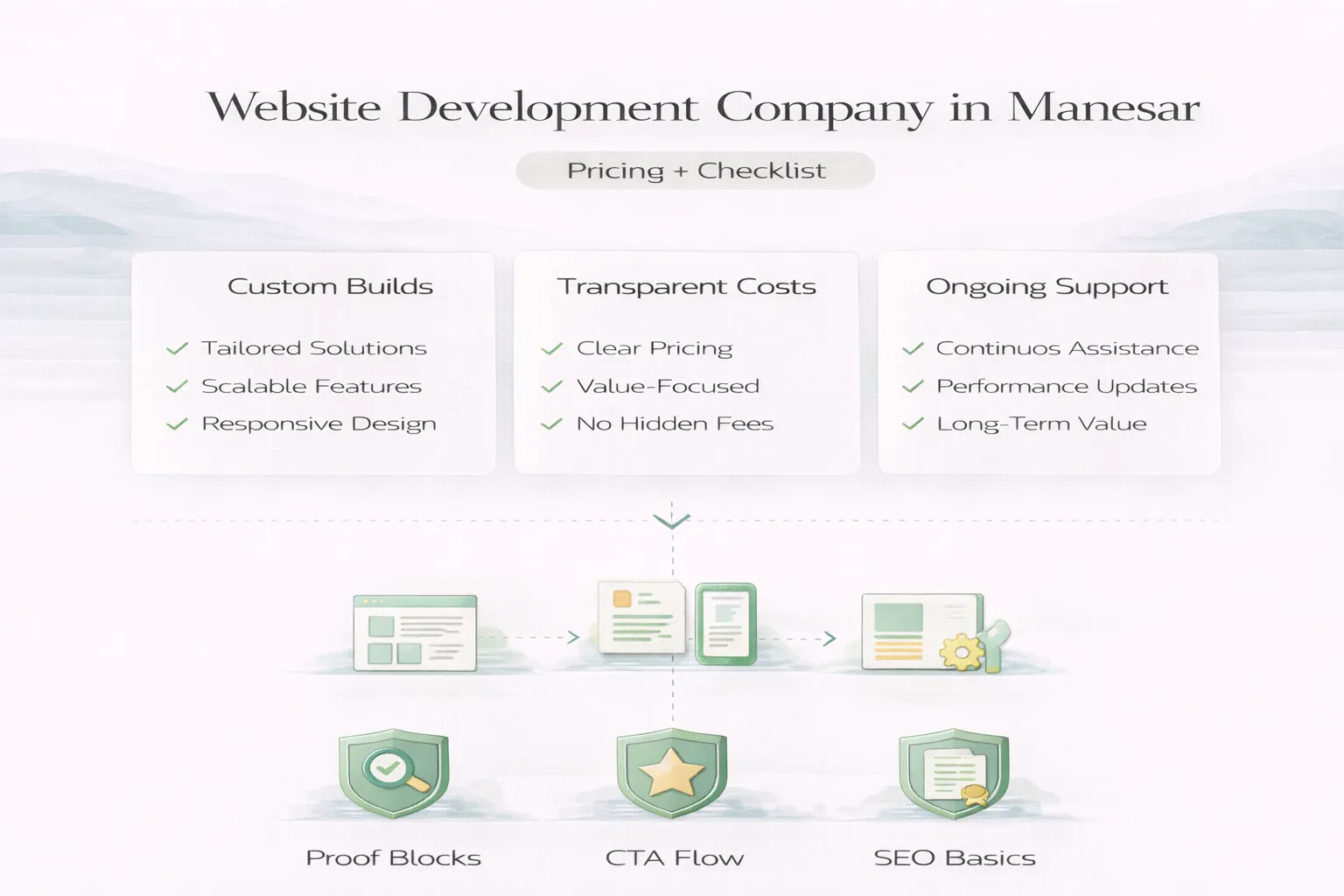
April 7, 2026
Website development company in Manesar: pricing, checklist, scope planning, and what local B2B businesses should expect in 2026.
Read article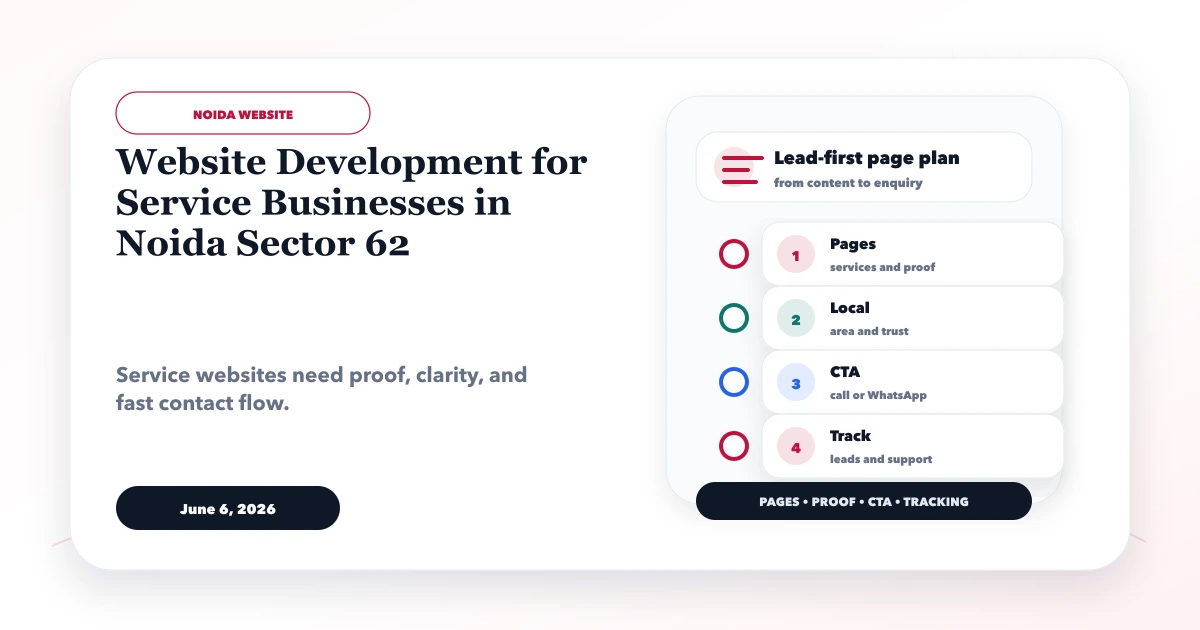
June 6, 2026
Plan a Noida Sector 62 B2B service website with account-focused pages, proof, lead qualification, sales routing, measurement, and CRM boundaries.
Read article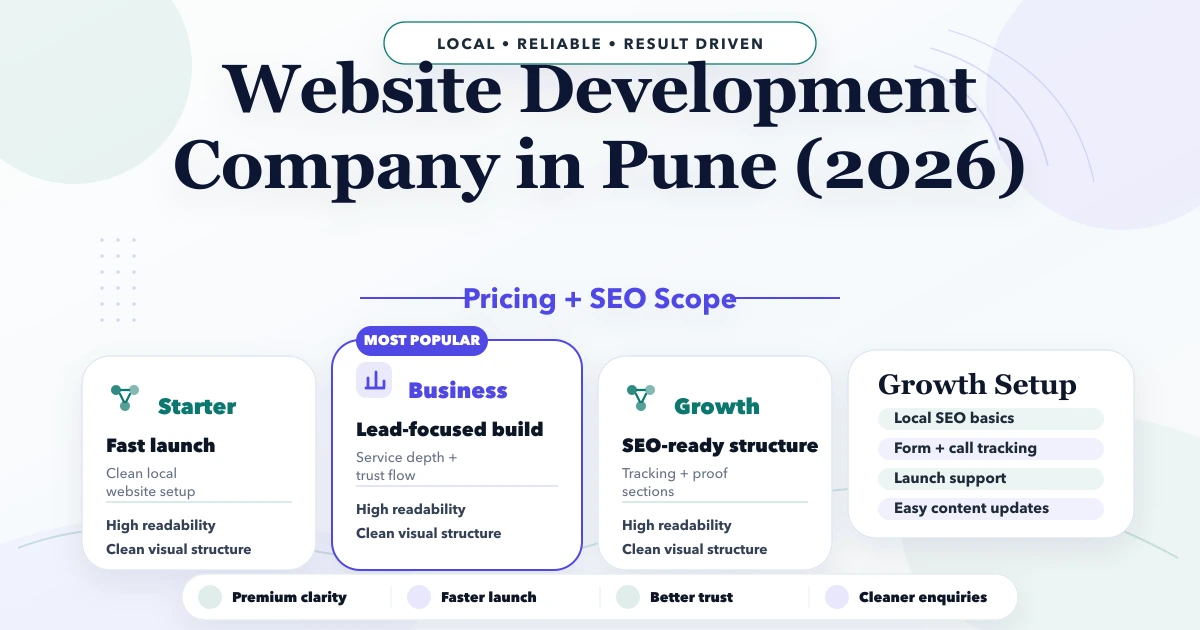
April 24, 2026
Plan a Pune employer-brand website with role pages, truthful culture proof, candidate routing, B2B capability links, privacy, analytics, and ownership.
Read article