
April 23, 2026
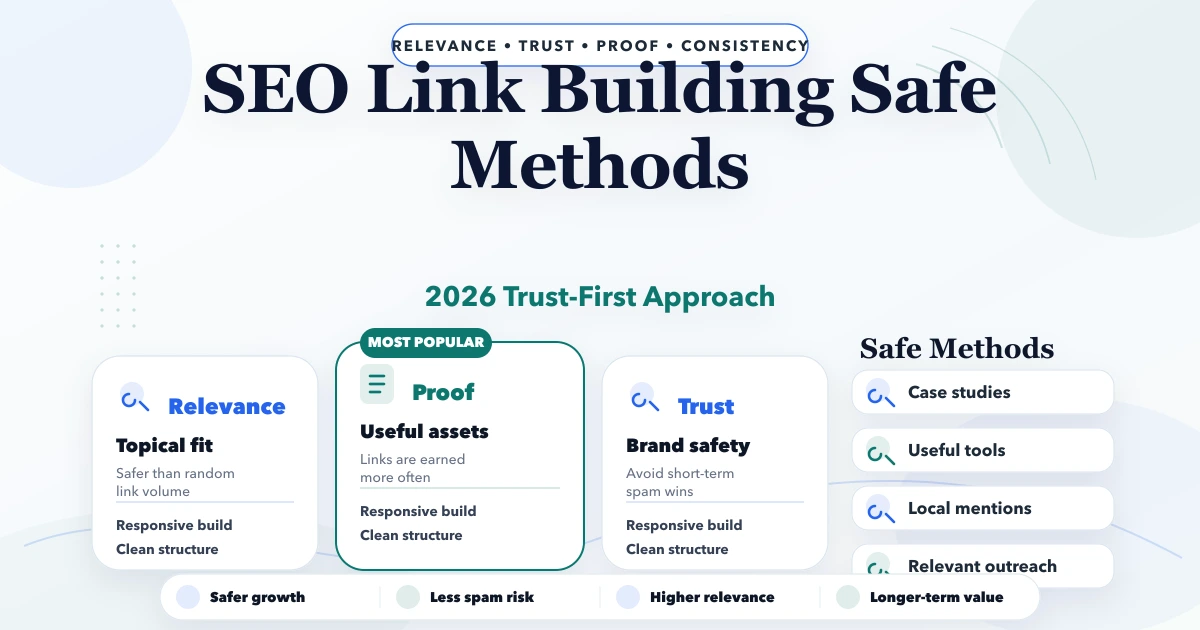
Safe SEO Link Building Methods for 2026
Build backlinks safely through original resources, expert contributions, partnerships, directories, digital PR, and outreach measured by referral value.
Read articlePublished Updated
Compare internal links and backlinks, diagnose what to fix first, build topic hierarchy, strengthen discovery, earn authority, and measure SEO results.
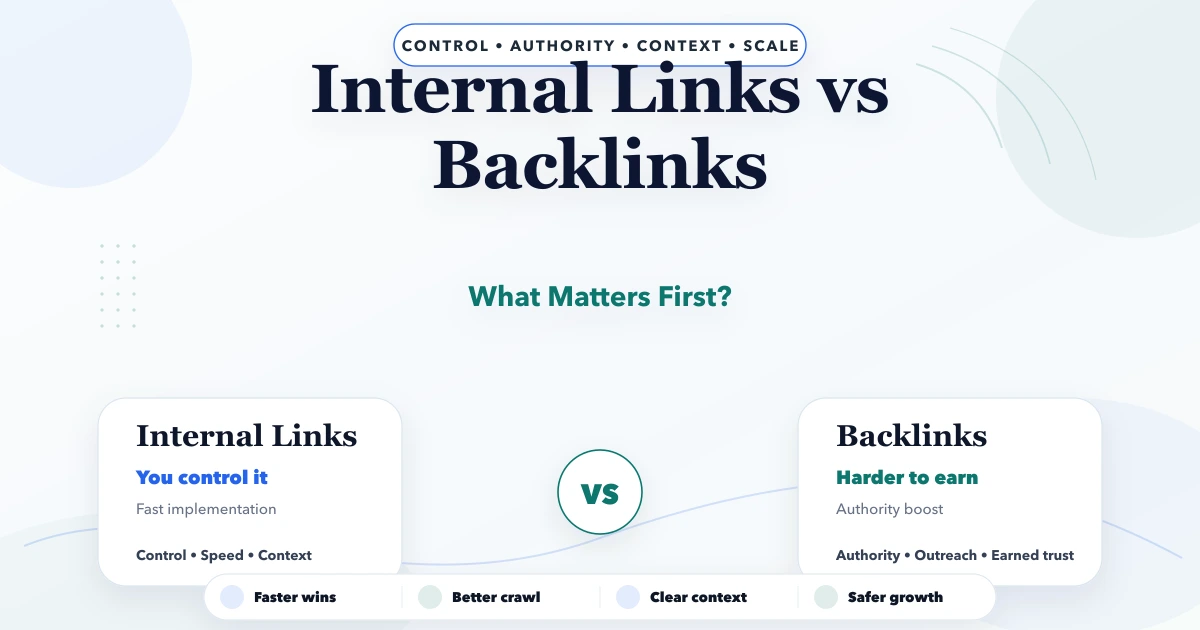
Internal links and backlinks solve different SEO problems. Internal links connect pages within your website, clarify hierarchy, help users discover related information, and distribute attention across the site. Backlinks are links from other websites; they can provide independent discovery, references, reputation, and authority signals.
Most small business websites should fix their content and internal architecture before investing heavily in backlink outreach. Backlinks cannot make an unclear, duplicate, or weak destination useful. However, a technically clean site with no external recognition may eventually need genuine mentions and links to compete.
Fix internal links first when:
Prioritise backlink earning when the site already has useful, indexable, differentiated pages with clear ownership and internal paths, but lacks external references in a competitive market.
| Dimension | Internal link | Backlink |
|---|---|---|
| Source | Another page on your site | A different website |
| Primary control | High | Low; editorial owner decides |
| Main role | Hierarchy, discovery, context, user paths | External discovery, reference, reputation |
| Main risk | Sitewide clutter, over-optimised anchors, wrong hierarchy | Paid/spam links, irrelevant sites, manipulative anchors |
| Speed to improve | Immediate after planning and deployment | Relationship and editorial timeline |
| Success evidence | Crawl paths, incoming links, user journey | Relevant referring domains, referral traffic, citations |
Neither is a substitute for a page that satisfies the search and buyer intent.
Use four questions:
If the first three fail, internal work comes first.
A working topic cluster has roles:
For example, a guide about web app performance should link to a relevant web application service, while the service page can link to selected technical guides that help buyers evaluate scope. Random reciprocal linking is less useful than a clear relationship.
Add a contextual link when the destination answers the next likely question. The anchor should describe that destination rather than repeat an exact keyword unnaturally.
Useful placements include:
Avoid adding a fixed block of unrelated links to hundreds of articles merely to raise a count.
Create a table with URL, page type, parent, incoming internal links, source pages, and intended action. A page with zero incoming links outside the sitemap is effectively isolated. A page with twenty unrelated sitewide links may still have weak contextual support.
Prioritise:
Do not add links to pages that are duplicate, obsolete, redirected, private, or not intended for discovery.
Write anchors for humans. See the SaaS security checklist is clearer than click here and safer than repeating a commercial phrase in every source.
Use:
Avoid misleading anchors, hidden links, keyword lists, and anchors that promise content absent from the destination.
Global navigation identifies durable important pages. The website navigation guide explains how to keep those choices focused. The footer supports recovery and utility access. Contextual links explain specific relationships inside content.
These layers should work together. Adding every article to the footer flattens hierarchy; relying only on article-body links can hide primary services from visitors.
External authority may be the main gap when:
Backlinks should be earned from relevance, relationships, expertise, or useful assets. Volume alone is not a quality measure.
Good opportunities can include:
The referring page should make sense to its own audience even if search engines did not exist.
Avoid mass comments, profile spam, unrelated directories, paid link networks, private blog networks, automated guest posts, exact-match anchor packages, and fake websites created only to link back. These tactics can waste money, damage trust, and create cleanup work.
Do not promise a backlink as the only value in a guest contribution. The article must serve the publisher's audience and follow its editorial rules.
A small business rarely earns links by publishing another generic top ten tips post. Useful assets include:
Keep the asset updated and make citation details easy to verify.
Remove broken links, validate final canonical URLs, differentiate overlap, improve titles, and ensure the page answers its intent.
Add parent-child, sibling, prerequisite, and conversion links. Update older relevant articles and navigation where justified.
Strengthen the page with original process, examples, screenshots, data, templates, or a unique framework.
Approach relevant people or publications with a reason their audience benefits. Personalise the pitch and respect rejection.
Track discovery, indexing, impressions, referral visits, qualified actions, new referring domains, lost links, and the health of target URLs.
Useful indicators include:
Do not claim causation from one ranking movement. Search results change for many reasons.
Track unique relevant referring domains, linking-page quality, topical relevance, anchor distribution, referral visits, brand searches, and conversions assisted by referrals. Separate real editorial links from scraper copies and low-value directories.
A single relevant industry citation may be more useful than hundreds of unrelated links. Record relationship and ownership so future teams do not accidentally remove a valuable destination.
When an external site links to a guide, verify that the guide still works and gives visitors a sensible onward path. It might link to a parent hub, related methodology, product, or contact page. Do not immediately stuff the page with commercial anchors; preserve the reason it earned the reference.
If the externally linked URL must change, use a direct permanent redirect and update the source where possible.
Our implementation audit exports all public URLs and their internal link relationships, then classifies pages by commercial role, topic, depth, and current performance. We add links only after verifying the destination exists, remains indexable, and answers a related question. Generated HTML is checked because source files and rendered related-card logic can produce different link graphs.
This is a documented SEO process, not a ranking guarantee. External links remain editorial decisions outside our control.
They serve different roles. Internal links clarify your own hierarchy and user paths. Backlinks provide external references and discovery. Strong SEO usually needs useful content and internal architecture before external authority can help fully.
Use as many as genuinely help the reader. Avoid quotas. Long guides may need several contextual references; short pages may need only a few.
Only when the service is a relevant next step. Forced commercial links reduce usefulness and make articles feel templated.
They can be useful when the directory is legitimate, relevant, maintained, and helps real users discover the business. Mass unrelated submissions provide little value.
Natural links should point to the most useful source. A research article, tool, guide, or product page may deserve the citation more than the homepage.
Publish a small set of strong pages, connect them through clear navigation and contextual links, validate indexing, and then promote useful assets to relevant audiences.
Choose one commercial page and list every current incoming internal link, overlapping URL, and external reference. Fix its hierarchy and destination quality before starting outreach. Contact VASUYASHII for a focused content and internal-link audit.
Related Articles
April 23, 2026
Build backlinks safely through original resources, expert contributions, partnerships, directories, digital PR, and outreach measured by referral value.
Read article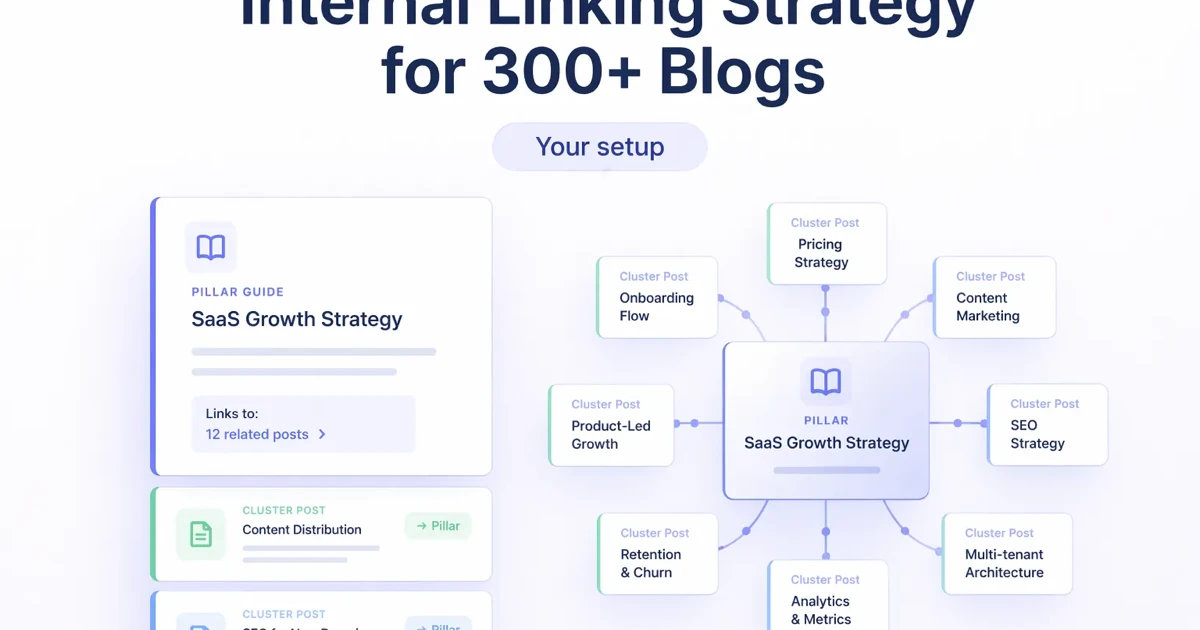
March 31, 2026
Build an internal linking system for 300+ blogs using hubs, page roles, contextual anchors, crawl-depth checks, incoming-link targets and refresh queues.
Read article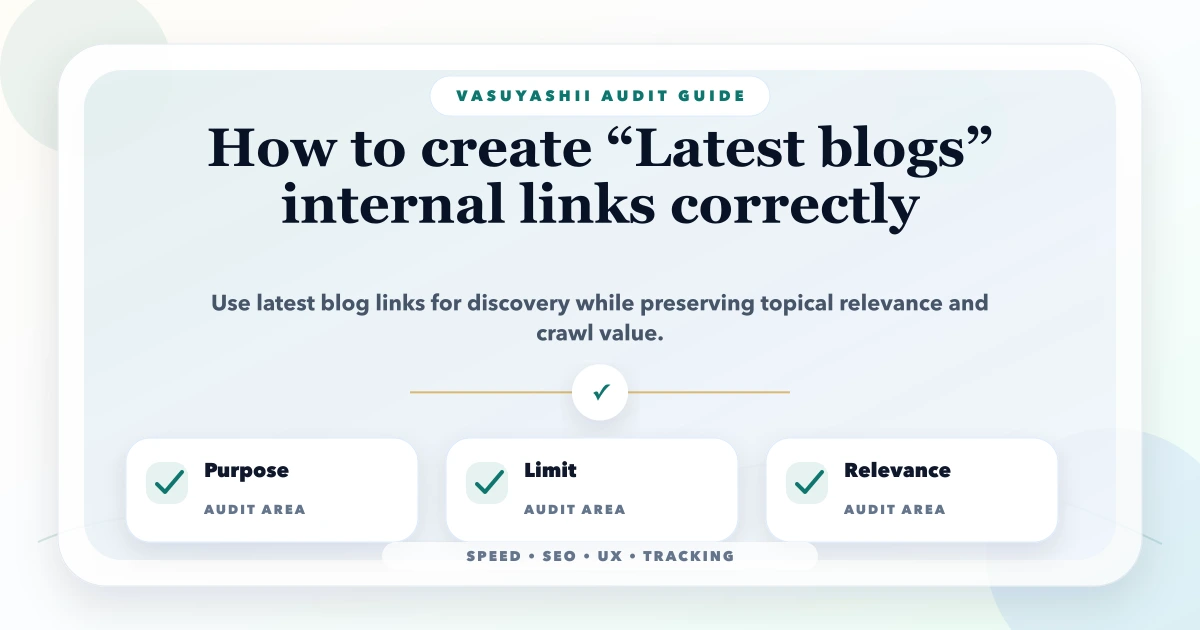
May 13, 2026
Build crawlable latest-blog links with stable dates, relevance, pagination, deduplication, meaningful anchors, hub support, and automated validation.
Read article
May 9, 2026
Safe local backlink strategies for Indian small businesses covering citations, partnerships, outreach, link checks, monitoring, and spam risks.
Read article