
March 14, 2026
Website Development Guide for Businesses (2026)
Website development guide for businesses covering planning, sitemap, UI/UX, tech stack, timeline, cost, SEO, performance, and lead generation.
Read articlePublished Updated
Learn when a business website adds trust, search visibility, lead qualification, measurement, and control beyond social media and marketplace profiles.
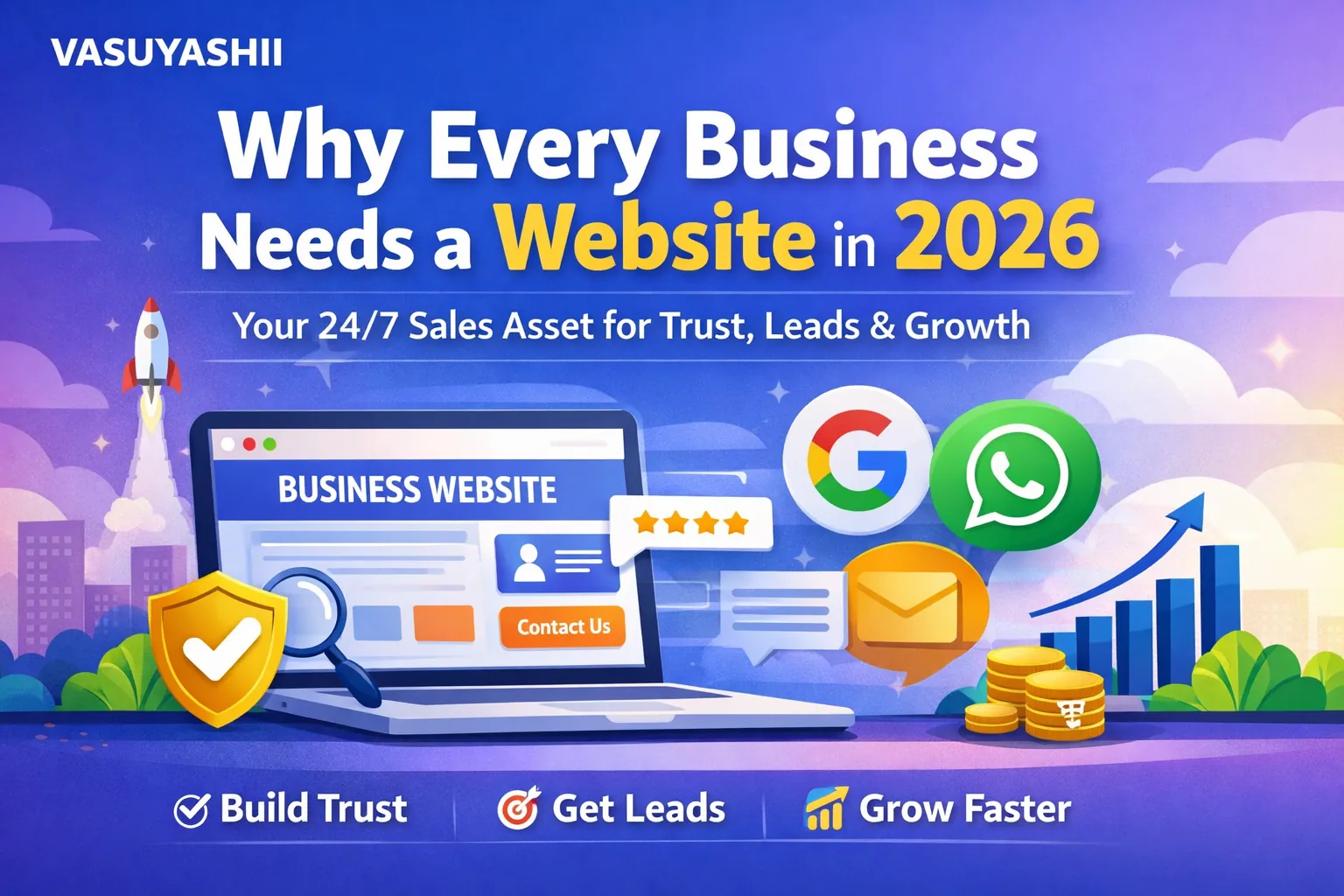
In 2026, a website can be a durable business asset rather than a digital brochure. Social profiles and marketplaces remain useful, but their rules, layouts, and distribution can change without your approval. With a properly controlled domain, hosting account, source or CMS access, and analytics setup, a business has more control over its content and lead journey. That does not mean it automatically owns every visitor's data or receives traffic without promotion.
If you’re running a business in India—especially in Delhi, Noida, Ghaziabad—you already know how customers think: they search on Google, ask on WhatsApp, compare options, and then decide. A strong website builds trust instantly and turns visitors into leads.
This blog explains exactly why every business needs a website in 2026, what pages you must have, what mistakes to avoid, and how to use your website to generate leads consistently.
A good website works like a smart sales executive:
Even when you’re sleeping, your website keeps receiving visitors—especially if you publish blogs and rank on Google.
Real-world example: A customer searches “web app development company” or “business automation services” at midnight. They open 3 websites. The website that looks professional, loads fast, and clearly shows proof gets the lead.
If you want a website that functions like a lead machine, explore our Web Applications Services.
In 2026, customers are more careful than ever. Scams are everywhere. Even genuine businesses lose leads because their online presence looks weak.
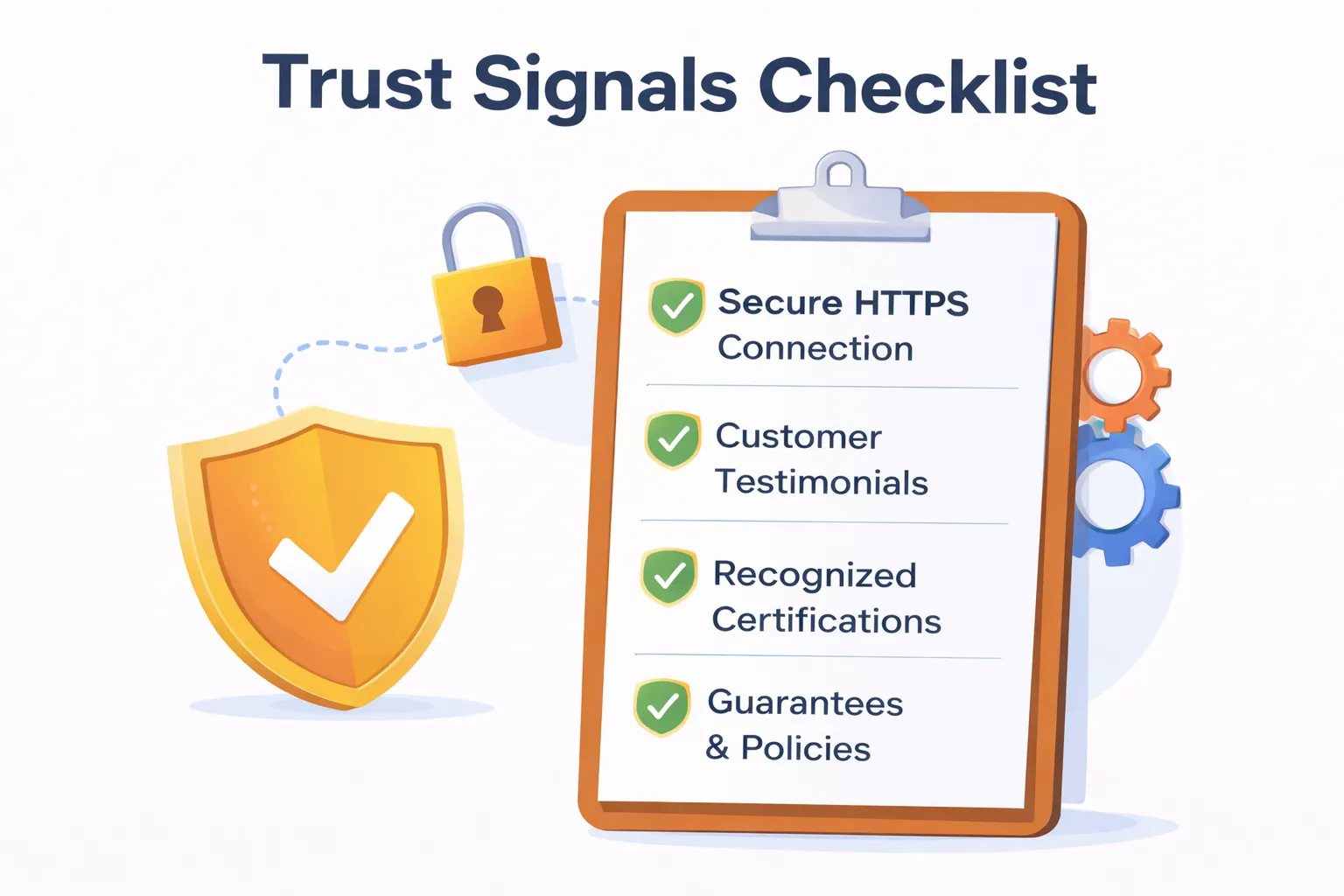
A professional website instantly communicates:
Social media helps with awareness. But Google brings purchase intent.
Example searches:
These people are not scrolling for entertainment. They are looking to buy or inquire.
When you publish SEO blogs consistently (like we are doing), your website becomes a traffic + lead engine.
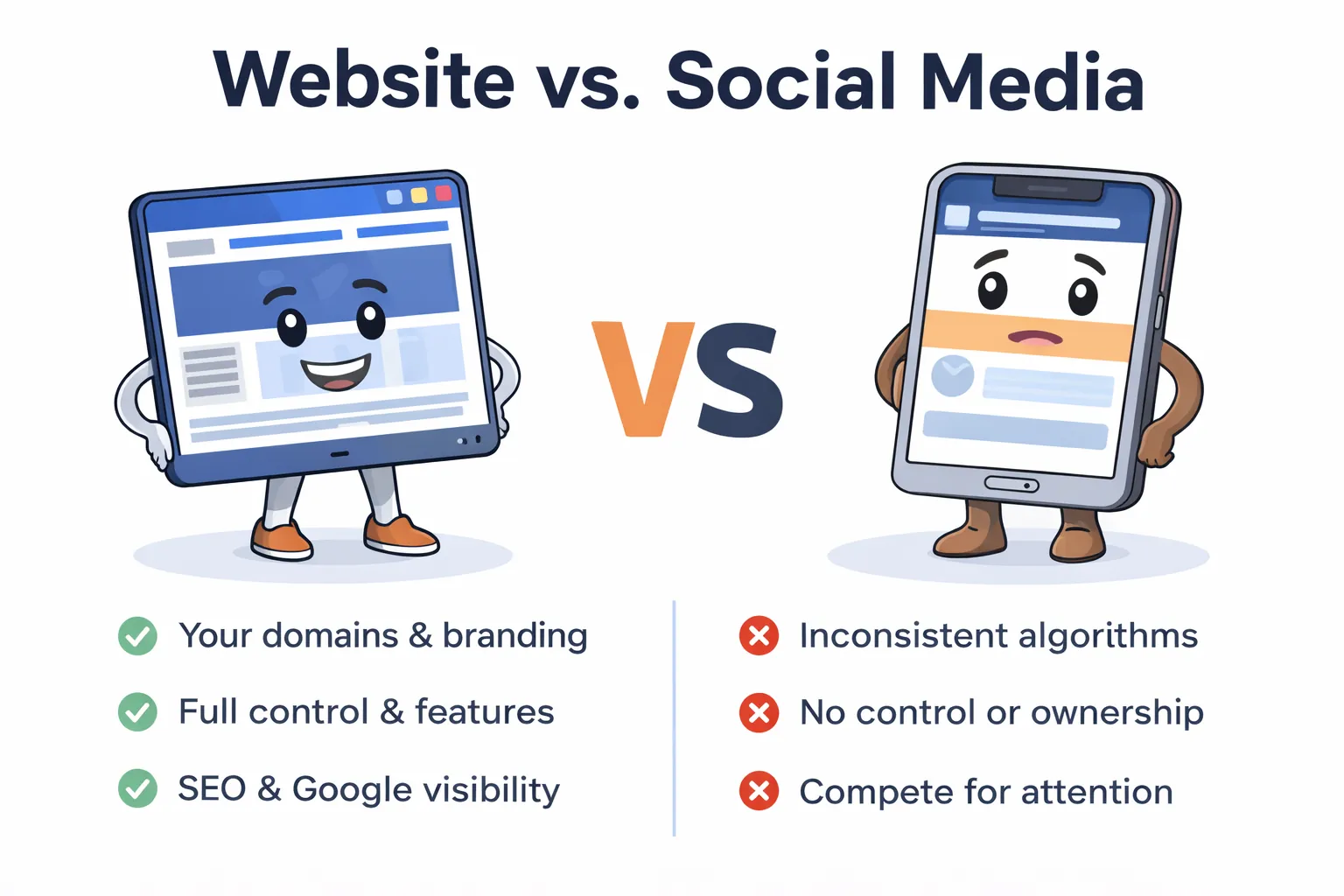
Instagram, Facebook, and YouTube are great, but:
A website can provide more continuity when the business controls the domain, hosting, content, analytics, and access credentials. Social media can send attention to that destination, but neither channel guarantees enquiries.
Best strategy (2026): Social media = attention Website = conversion + trust + SEO traffic
When a customer sees:
They come to WhatsApp already convinced. This reduces:
For higher conversion, you can show working demos like:
People don’t trust claims, they trust proof.
Your website is where you can show:
If you have a portfolio page, always link it from blogs and service pages: View VASUYASHII Services
In 2026, website is not only for customers. It affects:
A strong website increases your business credibility across every channel.
For local business growth, your website should include:
Even if you don’t have a physical office, mentioning service area is helpful for local trust and conversions.
If you’re starting, don’t overcomplicate. Start with a strong base:
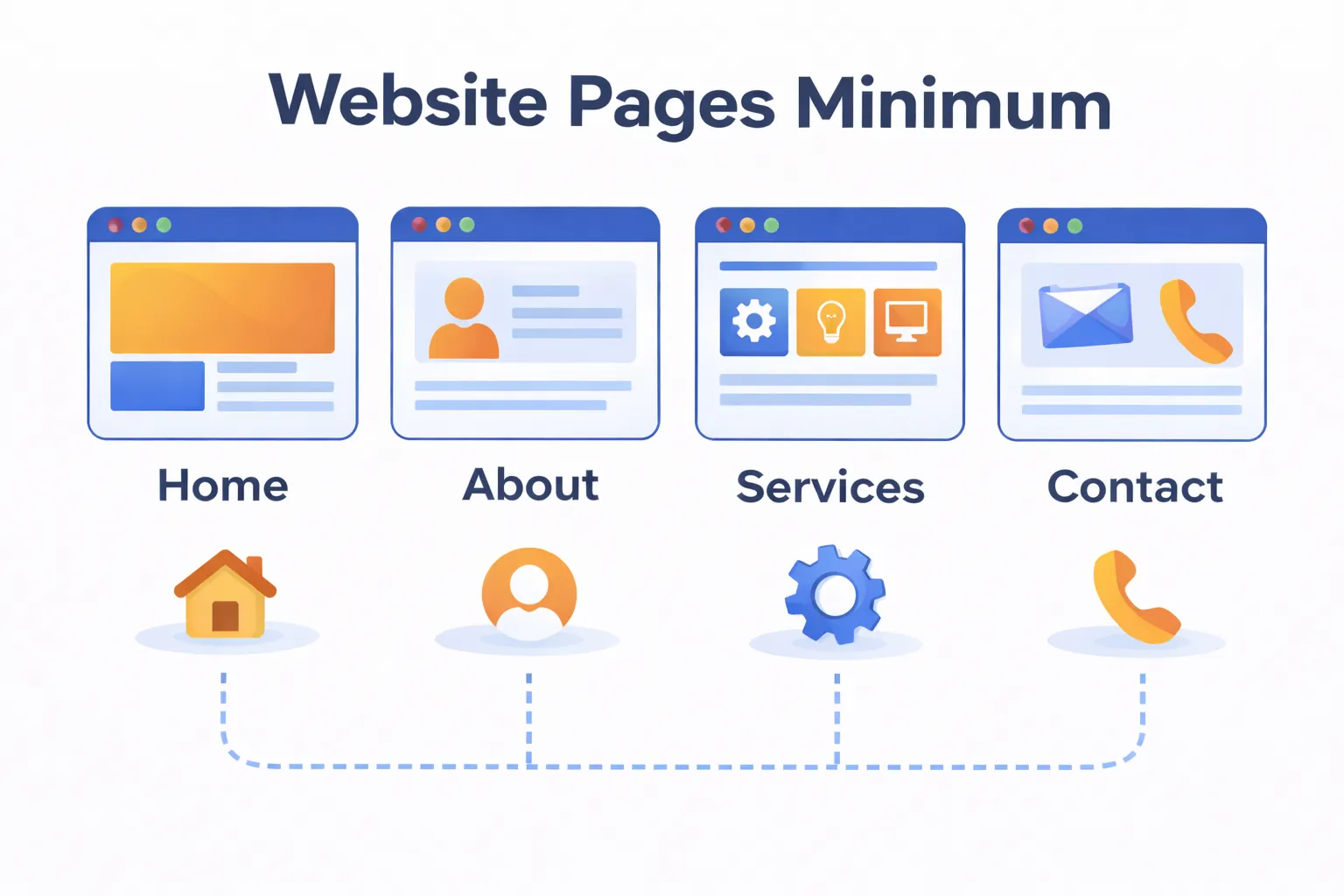
For web systems, dashboards, portals, and custom automation, your service hub can be: Web Applications Services
This is bad for SEO. Separate pages rank better.
Even if you have small projects, show demos/screenshots.
If WhatsApp is your main CTA, keep it visible.
Slow speed kills conversions and SEO.
“Best quality services” doesn’t convert. Specific details convert.
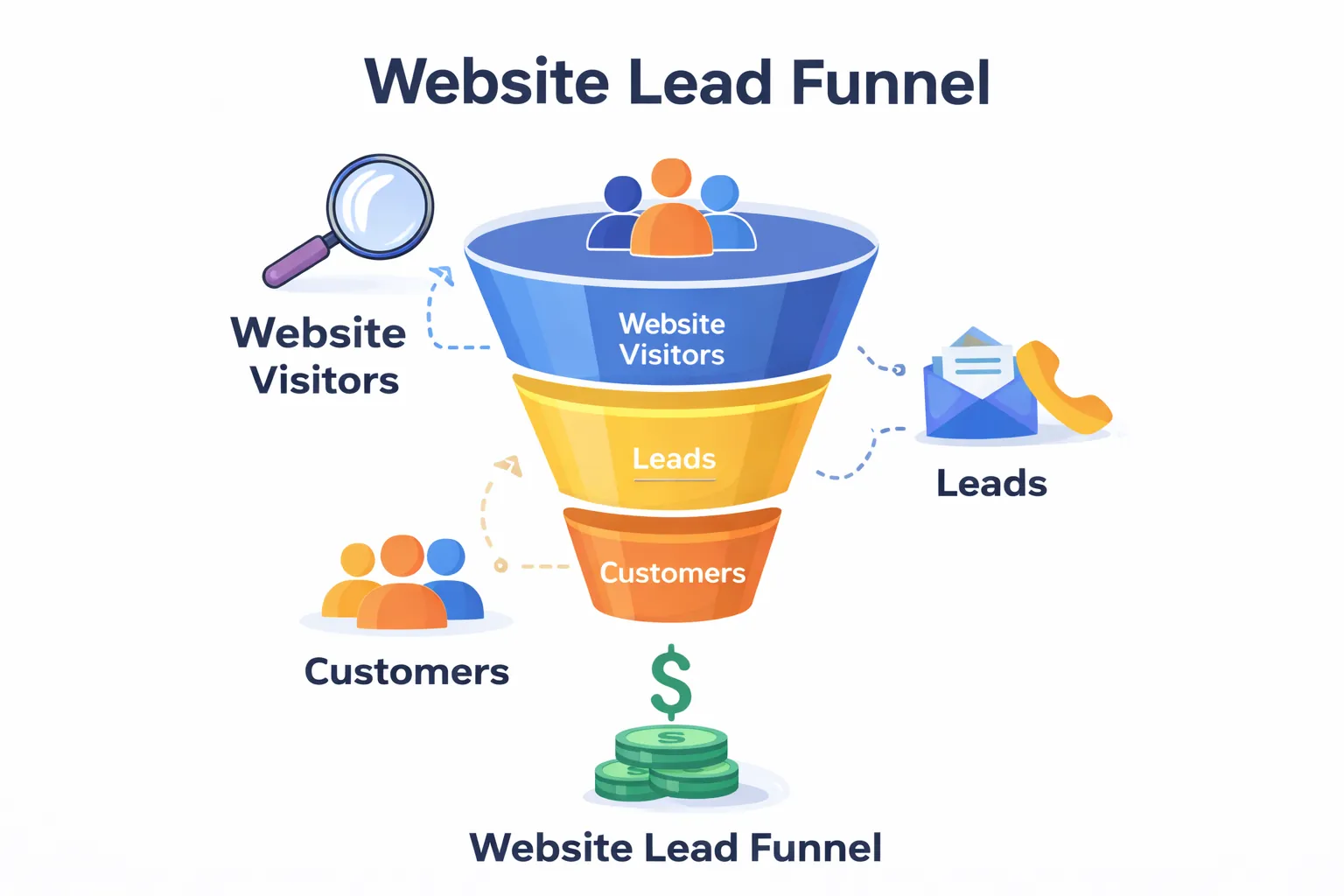
In India, WhatsApp is the fastest way to convert leads. Your website should:
Use a WhatsApp CTA like this:
👉 WhatsApp: Chat on WhatsApp
Also keep a backup contact page: Contact VASUYASHII
Ads give instant traffic, but stop when budget stops. SEO keeps growing.
If you publish 3–4 blogs daily consistently:
This is why building a website and blogging strategy is one of the best investments in 2026.
If you want a fast, modern, SEO-ready business website that actually converts visitors into WhatsApp leads, we can build it for you.
👉 WhatsApp: Chat on WhatsApp 👉 Hotel Demo: Open demo 👉 Services: View our services 👉 Contact: Contact page
Yes. Instagram is for attention. A website is for trust, SEO traffic, and conversions. You own a website; you don’t own Instagram.
Start with the pages needed for one buyer journey: Home, focused service pages, proof or demos, About, Contact, and essential legal information. Add a blog only when the team can maintain useful content.
It can, but not automatically. Organic leads depend on demand, useful pages, technical quality, authority, internal linking, and time. Measure impressions, enquiries, and qualified conversations instead of assuming publication equals traffic.
Use the action your buyers prefer and can complete easily. WhatsApp, call, form, booking, and email can all work. Track each option and keep the one that produces qualified leads, not merely clicks.
There is no fixed ranking timeline. Crawl and indexing, competition, site authority, content usefulness, technical health, and external mentions all affect results. Search Console should guide the next improvement.
A newly opened local shop may begin with a complete Google Business Profile, accurate contact details, and one focused website page. A B2B manufacturer may need product categories, capability evidence, certifications, RFQ fields, and downloadable specifications. A software product needs documentation, security and privacy information, onboarding, and support paths.
The question is not "website or no website?" It is "what owned destination helps this buyer verify and contact the business?" Avoid buying twenty generic pages when five evidence-rich pages can answer the real questions.
| Business situation | Useful first website scope |
|---|---|
| Local service business | Services, areas genuinely served, reviews, contact options, hours |
| B2B supplier | Product capability, industries, proof, RFQ, company details |
| Consultant | Problems solved, method, evidence, qualification form |
| Retail or restaurant | Catalogue or menu, location, availability, ordering path |
| Software company | Product/service pages, demos, implementation boundaries, support |
The business should have documented access to:
This is practical control. It is safer than claiming the business owns "all traffic" or every piece of user data.
Agree on a small measurement plan before launch. Record qualified form submissions, contact clicks, calls where tracking is lawful, booking completions, and the pages that assisted those actions. Also review unanswered search queries, form abandonment, mobile usability, and response time after a lead arrives.
A site with 1,000 irrelevant visits may be less valuable than a site with 80 relevant visitors and five qualified conversations. Use the GA4 lead tracking guide, contact-page conversion guide, and website planning checklist to define the journey.
VASUYASHII publishes working industry demos, website services, and web application services. These are first-party examples of structure and delivery scope. They are not a promise that a new website will rank or generate a fixed number of leads. Results depend on the offer, market, proof, distribution, and follow-up as well as the build.
Before requesting a quote, prepare the buyer questions, services, genuine proof, lead destination, content owner, and launch measurement. That makes the website a managed business channel rather than a one-time design purchase.
Related Articles
March 14, 2026
Website development guide for businesses covering planning, sitemap, UI/UX, tech stack, timeline, cost, SEO, performance, and lead generation.
Read article
March 20, 2026
Headless website architecture explained for 2026 with benefits, SEO impact, cost, CMS options, and when to choose headless over WordPress.
Read article
March 16, 2026
Plan a corporate website around stakeholder journeys, governance, proof, security, performance, SEO migration, analytics, approvals, and ongoing ownership.
Read article
March 15, 2026
Compare WordPress and custom websites by editing, performance, security, ownership, integrations, maintenance, cost, and long-term operating needs.
Read article