
March 23, 2026
Best Website Development Company Delhi NCR
Find the best website development company in Delhi NCR (2026). Use this checklist, pricing ranges, timeline, red flags, and questions to choose the right team.
Read articlePublished Updated
Website development guide for businesses covering planning, sitemap, UI/UX, tech stack, timeline, cost, SEO, performance, and lead generation.
A business website is not “just a design.” It’s a 24×7 sales asset that builds trust, explains your offer clearly, ranks on Google, and converts visitors into leads via forms, WhatsApp, calls, or bookings.
If your main customers are in India (Delhi, Noida, Ghaziabad), a professional website also acts like your digital showroom—people often decide whether to contact you within 5–15 seconds of landing on your site. This guide explains the complete website development process used by professional teams, plus the SEO + conversion details most businesses miss.
Website development is the complete system that makes your site:
It usually includes:
A simple rule: Your website should answer “Why you, what you do, proof, and what to do next.”
Choose the type based on your goal:
Best for service companies. Typical pages:
More brand-heavy and larger:
Single purpose pages designed for:
A system with login & dashboards:
If you want a system like dashboards/portals, explore our Web Applications Services.

This is the safest, most practical workflow for business websites.
Before design starts, define:
✅ Output: a 1-page website brief (saves huge rework later)
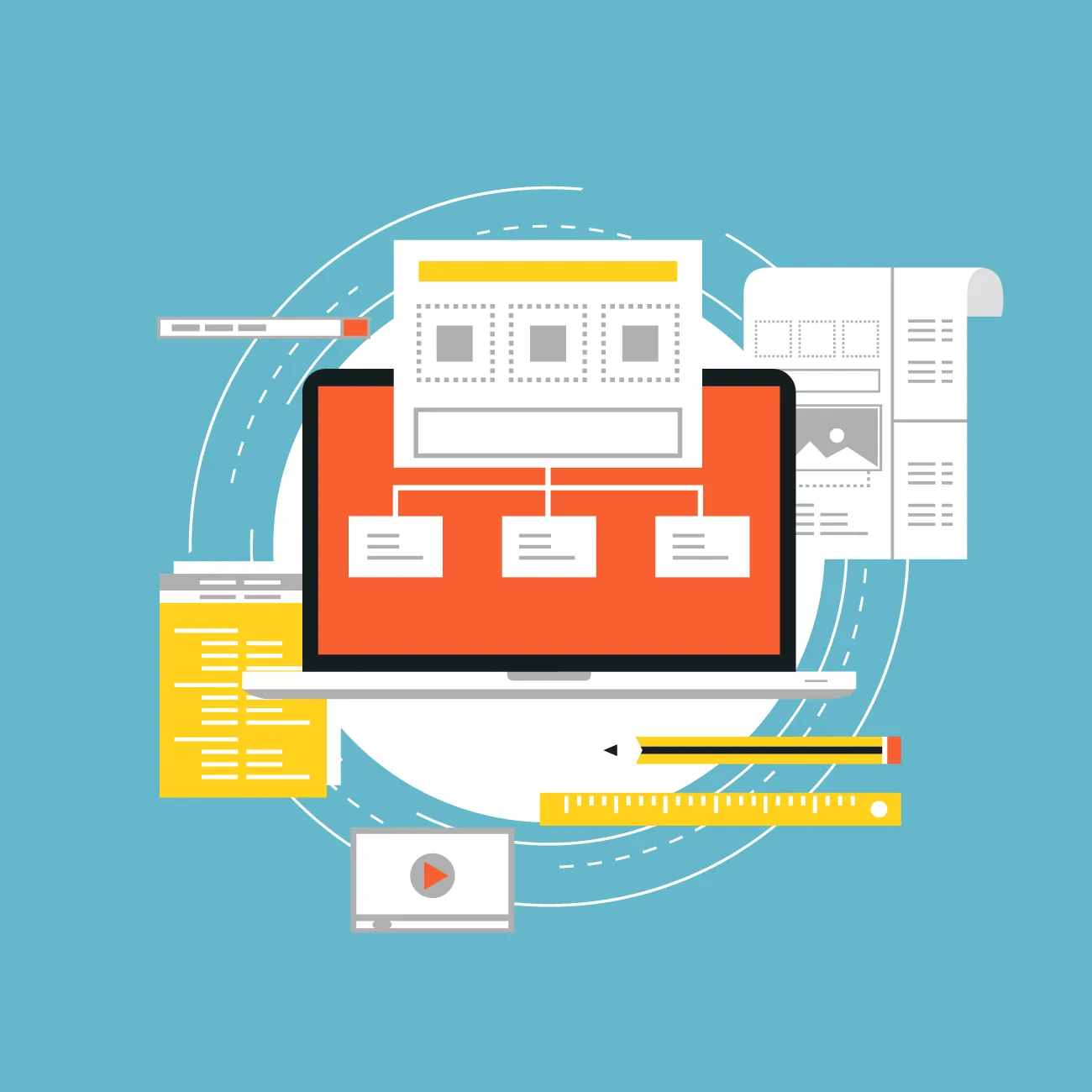
A good sitemap keeps the website focused and SEO-friendly.
Most business websites should start with:
✅ Pro tip: Don’t put all services on one page only. Create a dedicated page for each major service so each one can rank on Google.
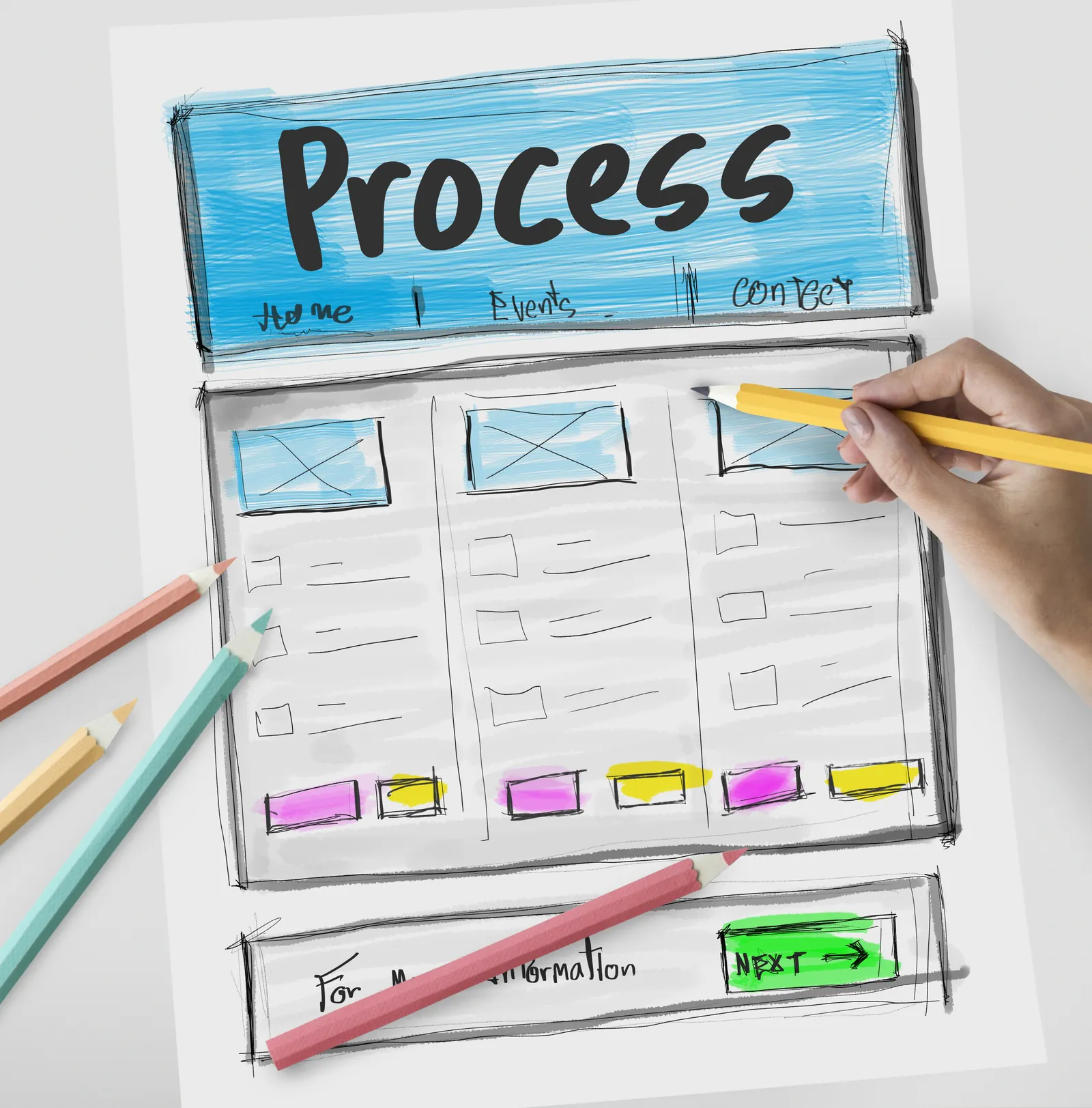
Wireframes are simple layouts without color. They define:
This prevents “design changes” later that waste time.
Now you finalize:
Mobile-first design is non-negotiable. If mobile is weak, conversions drop.
Frontend development includes:
Backend/integrations (optional):
This is where many websites fail because they skip the boring basics.
Key tasks:
Before launch, test:
Best for: budget websites and quick launches Pros: easy admin, huge ecosystem Cons: speed depends on theme/plugins; plugin conflicts & maintenance risk
Best for: premium look, speed, scalability Common stack:
This stack is ideal when you want a fast site that feels premium and ranks well.
Best for: dashboards, portals, admin panels Typical stack:
If you’re planning a portal/dashboards, check Web Applications Services.
Timeline depends on pages, content readiness, approvals, and complexity.
Typical ranges:
Cost depends on:
Budget tip: Launch a strong base first (Home + Services + Portfolio + Contact). Then expand with blogs and case studies.
A high-performing business website uses a simple conversion formula:
Clarity + Proof + CTA
They write generic lines like “best quality services” but don’t show:
If WhatsApp is your main CTA, make sure the button is visible and fast on mobile.
A website is not “done” after launch. Growth happens after launch:
Monthly checklist:
👉 WhatsApp: Chat on WhatsApp 👉 Hotel Demo: Open demo
A business website should be planned around the action you want from visitors. A local service company may need calls and WhatsApp. A software company may need demo requests. A product business may need catalog browsing and enquiry.
Before development starts, define:
Use the common website development mistakes audit to check mobile workflows, proof, forms, search controls, accessibility, measurement, and post-launch ownership before acceptance.
Useful next links: web application services, services, and contact.
Most businesses should start with 5–7 pages and expand with blog + case studies.
WordPress is budget-friendly. Custom Next.js is faster, more scalable, and offers better performance control.
Usually 1–4 weeks depending on complexity and approvals.
A fast stack with clean HTML + proper technical SEO. Next.js is a strong option when built correctly.
Indexing can happen within days, but strong rankings usually take 3–6 months with consistent SEO content and internal linking.
Related Articles
March 23, 2026
Find the best website development company in Delhi NCR (2026). Use this checklist, pricing ranges, timeline, red flags, and questions to choose the right team.
Read article
March 15, 2026
Learn when a business website adds trust, search visibility, lead qualification, measurement, and control beyond social media and marketplace profiles.
Read article
March 20, 2026
Headless website architecture explained for 2026 with benefits, SEO impact, cost, CMS options, and when to choose headless over WordPress.
Read article
March 23, 2026
Freelance developer vs agency—what’s better for your business in 2026? Compare cost, quality, timeline, SEO, support, risks, and the safest hiring strategy.
Read article