
May 1, 2026
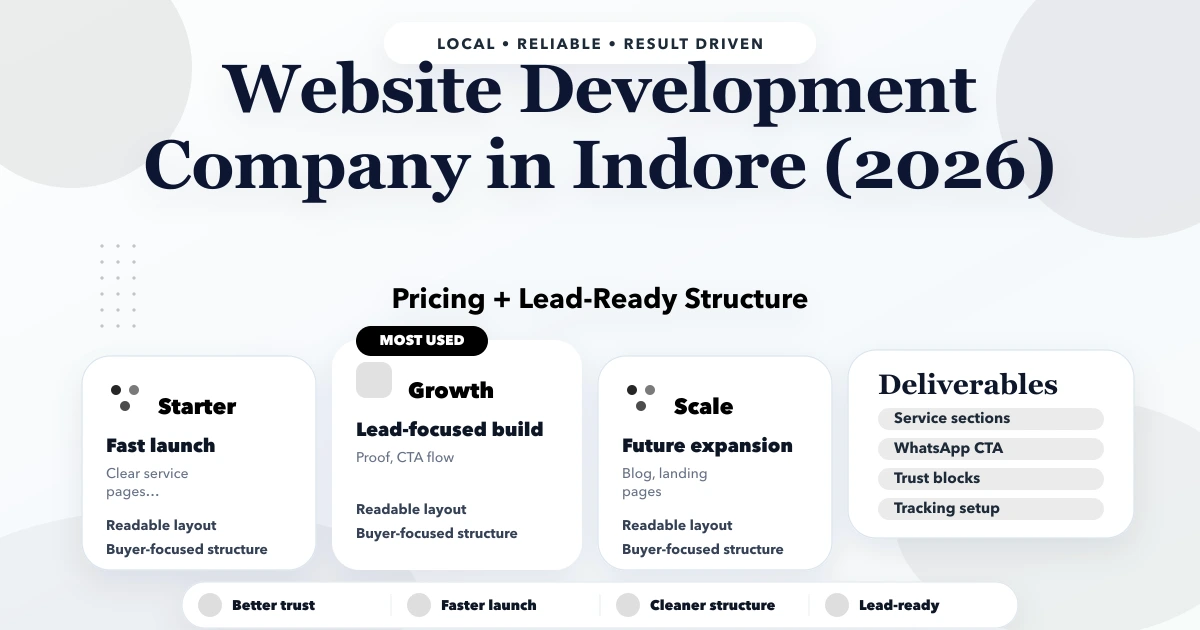
Indore Website for Multi-Branch Businesses
Plan an Indore multi-branch website with central content governance, branch pages, local hours, lead routing, offer controls, analytics, and ownership.
Read articlePublished Updated
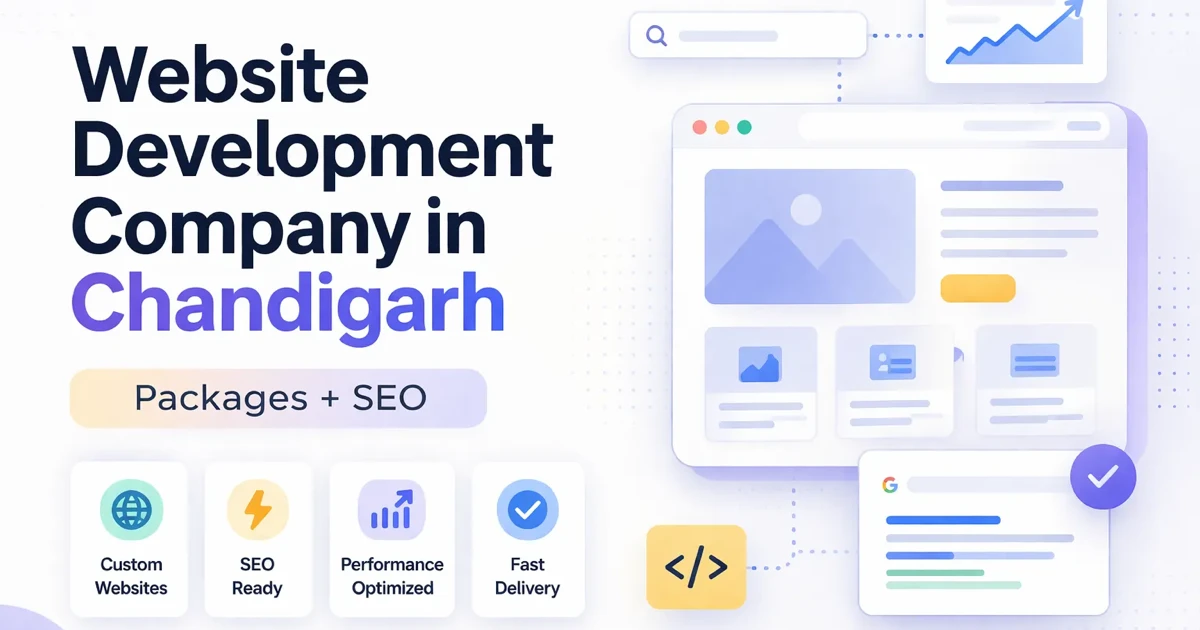
Plan a Chandigarh professional-services website with profile approvals, service ownership, enquiry routing, privacy boundaries, SEO, and content governance.
Service-area note: VASUYASHII is based in Delhi NCR and supports businesses remotely across India. A city-focused guide describes service and planning context; it does not claim a physical office in every location mentioned.
Explore the parent topic: Local SEO for Web Development Companies →A professional firm evaluating website development companies in Chandigarh needs accuracy and governance as much as design. Team profiles, qualifications, services, offices, insights, and enquiry routes must remain approved and current. One outdated biography or misrouted confidential enquiry can damage trust.
This guide focuses on professional-services website governance for consultancies, advisory firms, agencies, and similar organisations. It does not claim that VASUYASHII has an office or client in Chandigarh.
Create ownership before publishing:
| Content | Authoritative owner | Review trigger |
|---|---|---|
| Service scope | Practice/service lead | Service or regulation change |
| Professional profile | Individual + authorised reviewer | Role or qualification change |
| Office details | Administration | Address, hour, or access change |
| Insight/article | Named author/editor | Material factual update |
| Privacy/legal | Responsible adviser | Policy or vendor change |
| Contact routing | Operations | Team or system change |
The website team should not guess professional claims.
A useful service page explains:
Avoid promising outcomes that depend on facts outside the firm's control. Use qualifications such as “may,” “subject to review,” or “depends on scope” where appropriate.
Profiles may include:
Verify every credential. Do not add awards, rankings, experience duration, or client relationships without evidence and permission.
The first form should collect only what is needed to route:
Warn users not to submit sensitive, privileged, health, financial, legal, or identity information through a general form. Specialised services may require a separately reviewed secure intake system.
Imagine a firm with four service lines and multiple professionals. The website sends every enquiry to one inbox, old team profiles remain indexed, and articles do not identify the responsible author.
A focused rebuild can:
It does not need to publish confidential case details to prove expertise.
Each insight should record:
Do not change lastUpdated for cosmetic edits. Use it when the content was meaningfully reviewed.
Prepare an offboarding rule:
Do not silently assign an individual's article to another person.
Publish a location only when it is real and appropriate for customer visits. State:
Remote or service-area firms should explain delivery without inventing a local office. Business profiles must follow current eligibility rules.
Use:
Avoid many city pages with the same professional copy. The local SEO service-company guide explains the evidence standard for location content.
Define:
Do not place names, emails, phone numbers, or enquiry text into analytics event parameters. Use a controlled service identifier.
Professional websites should provide:
Accessibility supports both credibility and usability; it should not be postponed as a cosmetic enhancement.
Formatting or typo correction can use editorial review.
Service wording, biography, office detail, or insight update needs the content owner.
Qualification, legal claim, privacy policy, price, guarantee, or regulated advice needs authorised review and a publication record.
Keep an audit note for high-risk changes.
Professional insight content should distinguish:
Link to primary sources where practical and record the access or publication date. Quote sparingly and respect copyright. An illustrative scenario should be labelled so it is not mistaken for a client result.
When a source changes materially, the content owner decides whether to update, add a notice, or retire the article. Broken source links should not remain unreviewed for years.
Sample:
Record findings, owner, due date, and closure evidence. High-risk corrections such as wrong contact routing or credential claims should be prioritised over new publishing.
The audit also checks whether two pages target the same service and audience. Merge or differentiate only after reviewing demand, links, and useful unique content.
Cost increases with:
Separate website publishing from case-management or secure-client systems. The latter may require custom software and a dedicated security review.
List services, professionals, offices, articles, forms, and owners.
Approve page purpose, service hierarchy, profile rules, and enquiry route.
Build reusable accessible templates and controlled forms.
Verify every profile, claim, article, office, and link.
Test routing, assign review dates, and document change access.
Current VASUYASHII service scope includes websites, web applications, and integrations. The selected scope should follow the firm's actual content and confidentiality obligations.
The firm should receive:
During handover, update one profile, retire one old article, reroute a test enquiry, export content, and remove a sample user. These actions prove that governance works beyond the developer's demonstration.
Schedule the first post-launch review before sign-off. A professional website should not depend on staff remembering to audit it later.
Before launch, each active profile should have an approved name, role, experience summary, service association, image permission, authorship rule, and review owner. The firm should also receive the original approved copy and a simple change process for promotions, departures, new credentials, or temporary unavailability.
Test one realistic update during handover. Confirm that the change appears wherever the person is referenced and does not leave an outdated service owner, author page, contact route, or structured-data entry. This is especially important for regulated or trust-sensitive practices, where an impressive design cannot compensate for stale identity or unsupported expertise claims.
No. Create profiles when expertise, authorship, or selection is useful and the information can be maintained.
Not by default. Use a non-confidential first contact and move sensitive exchange into an approved secure process.
Review authored content, links, and search value first. Update, archive, or redirect based on a documented policy.
Only if it can publish accurate, reviewed, useful insights. A small maintained library is better than frequent generic content.
Use real office pages with verified services, hours, directions, and ownership. Do not create virtual local pages.
Service journeys, completed non-sensitive enquiries, calls, and useful content engagement without personal data.
Create a service/profile ownership sheet before requesting visual designs. Share the number of practices, professionals, offices, and intake constraints through contact.
Related Articles
May 1, 2026
Plan an Indore multi-branch website with central content governance, branch pages, local hours, lead routing, offer controls, analytics, and ownership.
Read article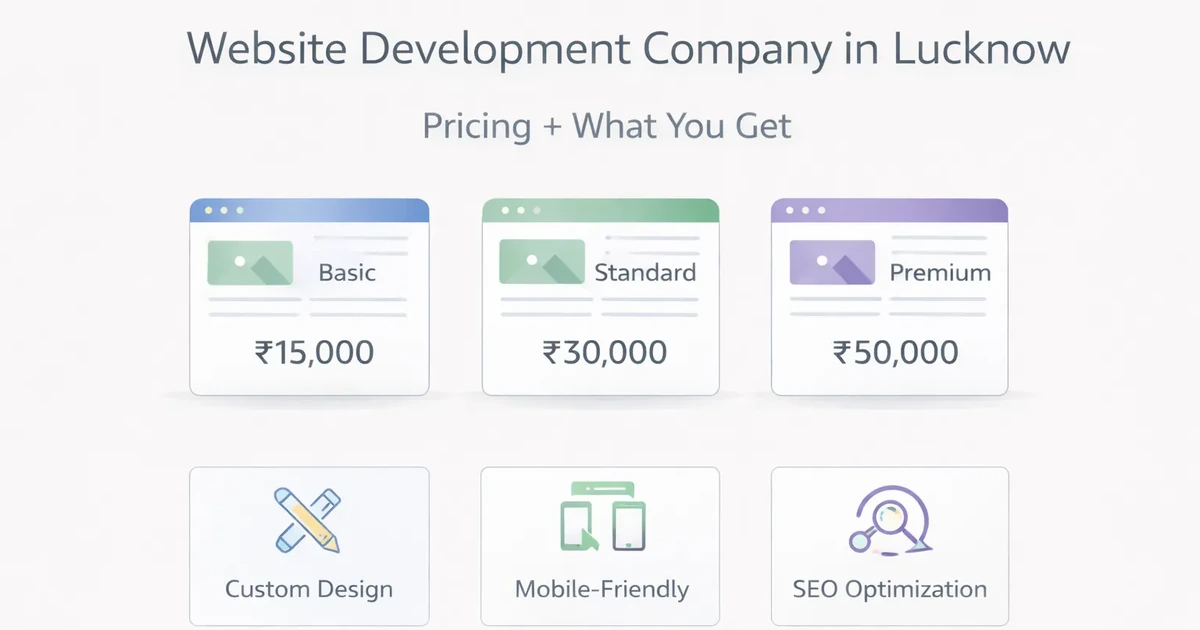
March 31, 2026
Plan a Lucknow service website with Hindi-English content ownership, branch and service routing, accessible forms, proof controls, handover, and measurement.
Read article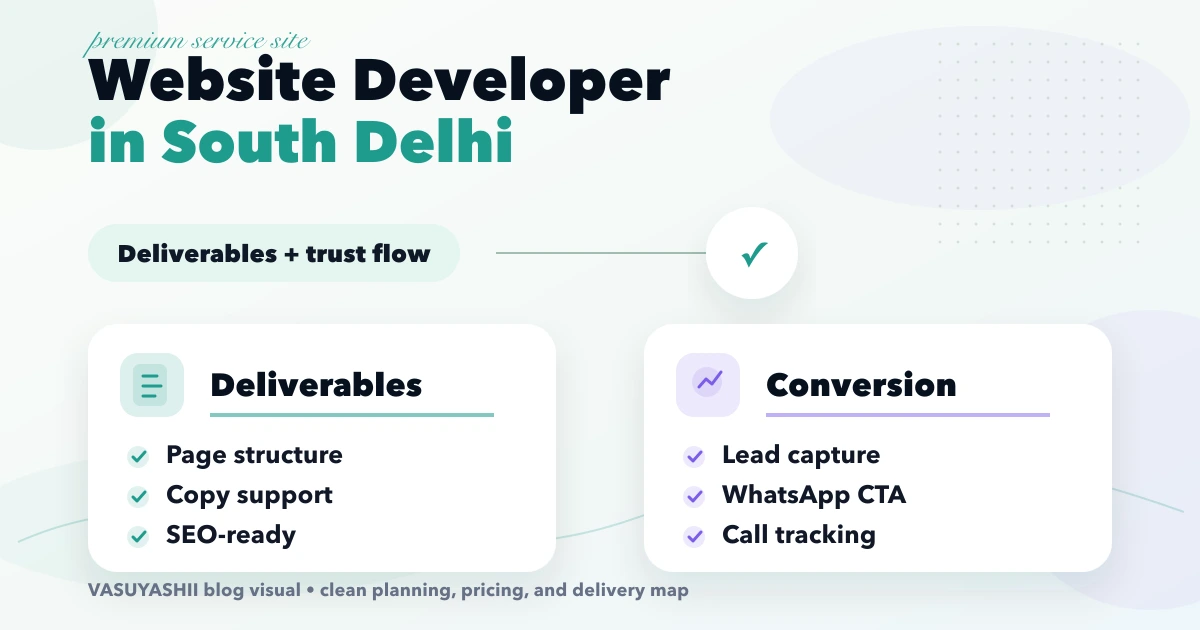
April 17, 2026
Evaluate a website developer in South Delhi with a practical guide to premium service pages, proof, ownership, lead tracking, scope, and handover.
Read article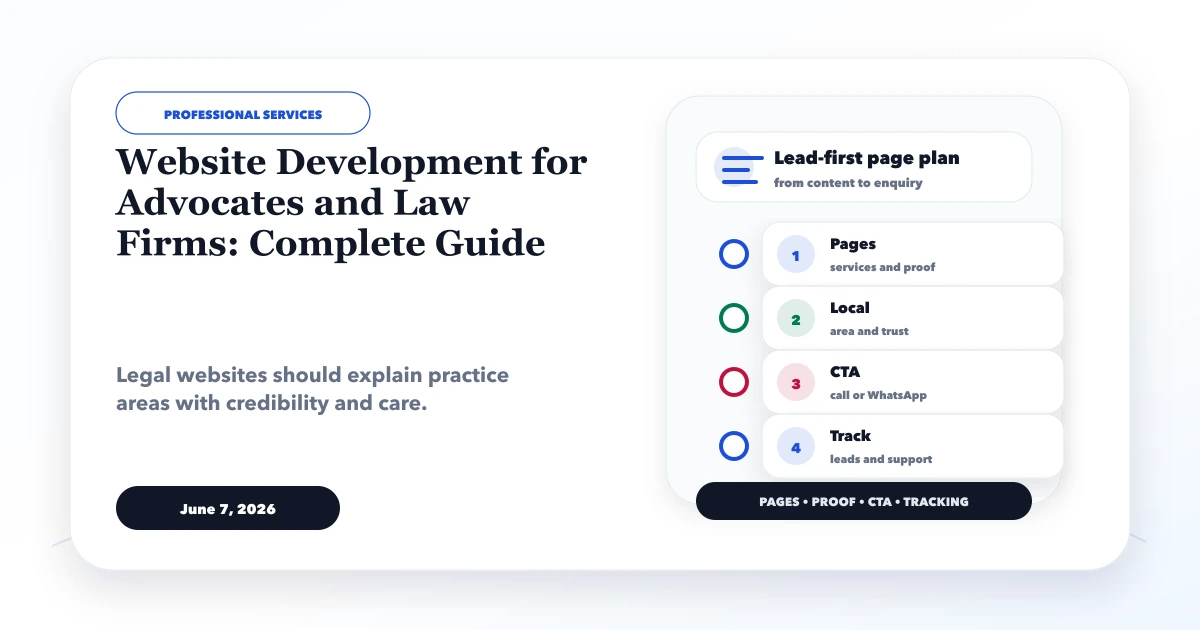
June 7, 2026
Plan a law firm website with clear practice areas, verified advocate profiles, confidential enquiry handling, ethical proof, local SEO, and secure handoff.
Read article