
April 28, 2026
Ecommerce SEO for Indian Stores (2026)
Ecommerce SEO for Indian stores in 2026: structure, pricing, timelines, product/category strategy, technical fixes, and practical growth plan.
Read articlePublished
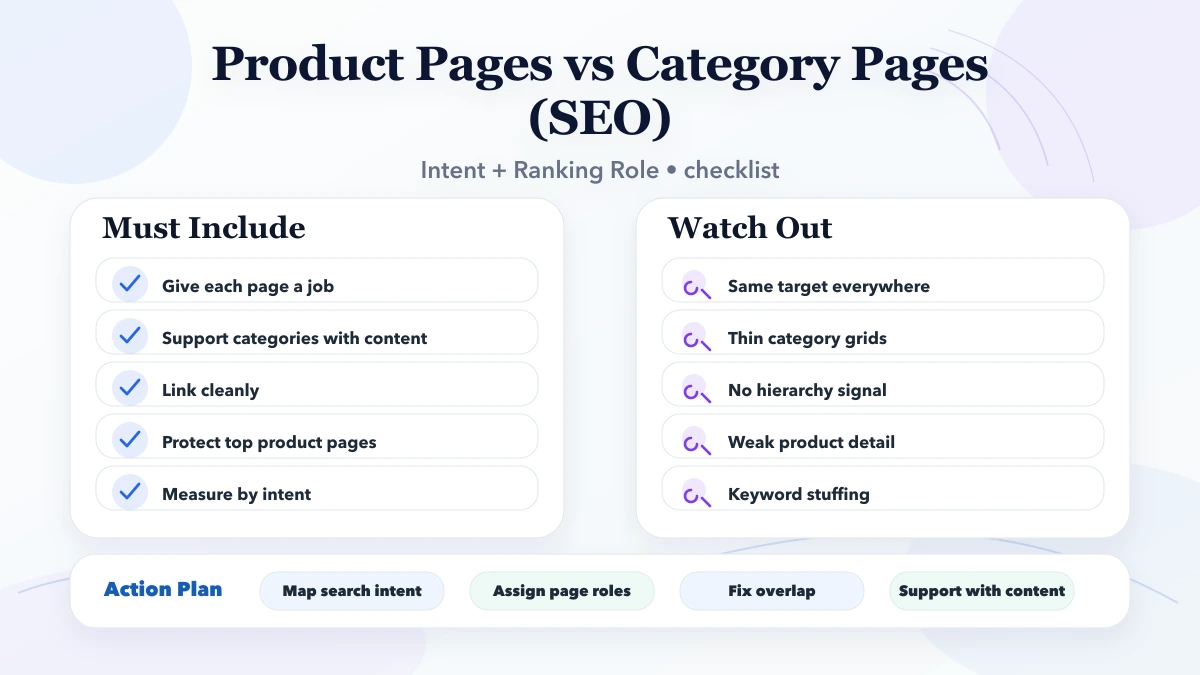
Product pages vs category pages SEO: intent, internal linking, pricing, structure, and practical decision framework for ecommerce growth.
A strong guide on product pages vs category pages SEO should help ecommerce teams and SEO managers deciding where commercial intent and organic traffic should land make better decisions with less guesswork. This is not just about theory. It is about how the SEO affects enquiries, conversions, trust, and long-term website performance when implemented on a real business website.
The fastest way to waste time is to copy generic best practices without checking intent, analytics, and buyer behaviour. The better approach is to understand where friction appears, what users need to see next, and which technical or content changes actually improve the outcome.
By Tushar C. (Founder, VASUYASHII). Reviewed by VASUYASHII Editorial for practical scope, pricing, implementation clarity, and local business relevance.
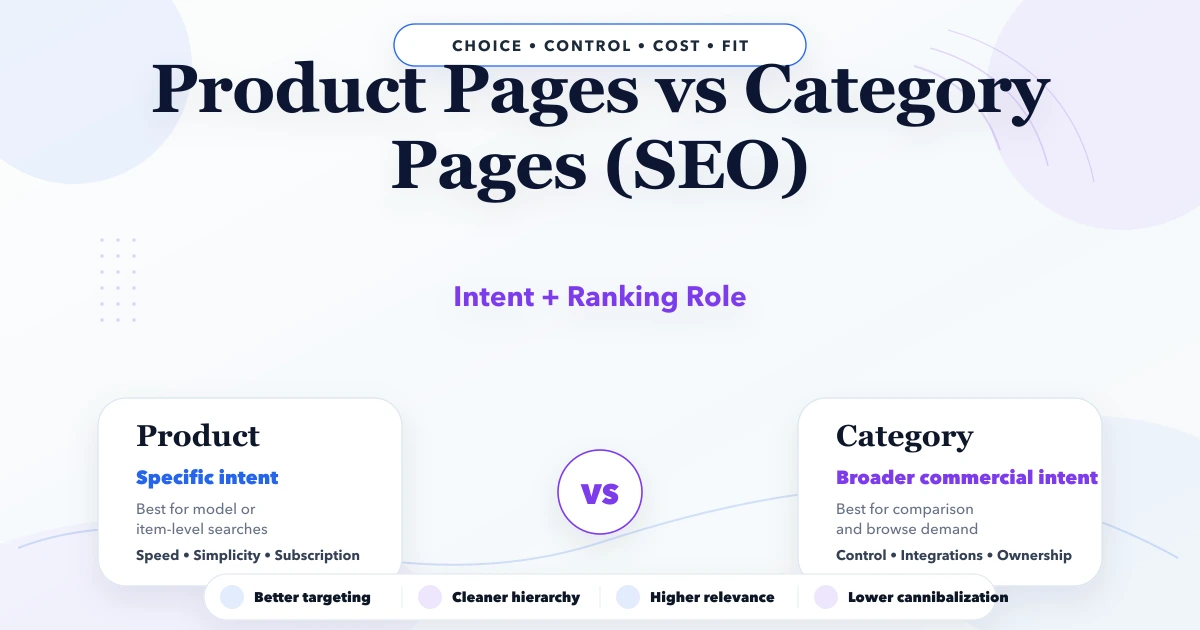
The question is not which page type matters more in general. The question is which search intent belongs to which page. Product pages and category pages solve different ranking jobs, and mixing them up weakens both SEO and conversion.
| Scope | Price range | Timeline |
|---|---|---|
| Intent mapping audit | ₹20,000 to ₹55,000 | 3 to 7 days |
| Structure and template improvement | ₹55,000 to ₹1.5 lakh | 2 to 5 weeks |
| Full ecommerce page architecture refinement | ₹1.5 lakh to ₹4 lakh+ | 1 to 3 months |
The important point is that this topic becomes more valuable when it is implemented with tracking and real business intent in mind. Otherwise it stays as content theory with little operational impact.
This topic matters because website performance is not only about ranking. It is about whether the right user sees the page, trusts the page, understands the page, and takes the next step. If one of those steps breaks, traffic alone does not create business value.
In practice, the page or SEO problem usually connects to other systems too. Contact flow, tracking, content structure, internal links, and owner reporting often influence whether the fix improves actual enquiries or just makes a dashboard look cleaner.
Once these basics are clear, improvement becomes more repeatable. You stop treating every issue like a random tactic and start treating the page or SEO setup like an operational system with inputs, outputs, and measurable quality.
Pricing depends on whether the need is audit-only, implementation-only, or a wider content plus technical fix. Many teams underestimate the effort because the visible change looks small while the real work sits in structure, testing, copy, analytics, and technical cleanup.
| Scope | Price range | Timeline |
|---|---|---|
| Intent mapping audit | ₹20,000 to ₹55,000 | 3 to 7 days |
| Structure and template improvement | ₹55,000 to ₹1.5 lakh | 2 to 5 weeks |
| Full ecommerce page architecture refinement | ₹1.5 lakh to ₹4 lakh+ | 1 to 3 months |
If the page is business-critical, it is usually smarter to scope the implementation properly than to keep making tiny isolated changes without a clear framework.
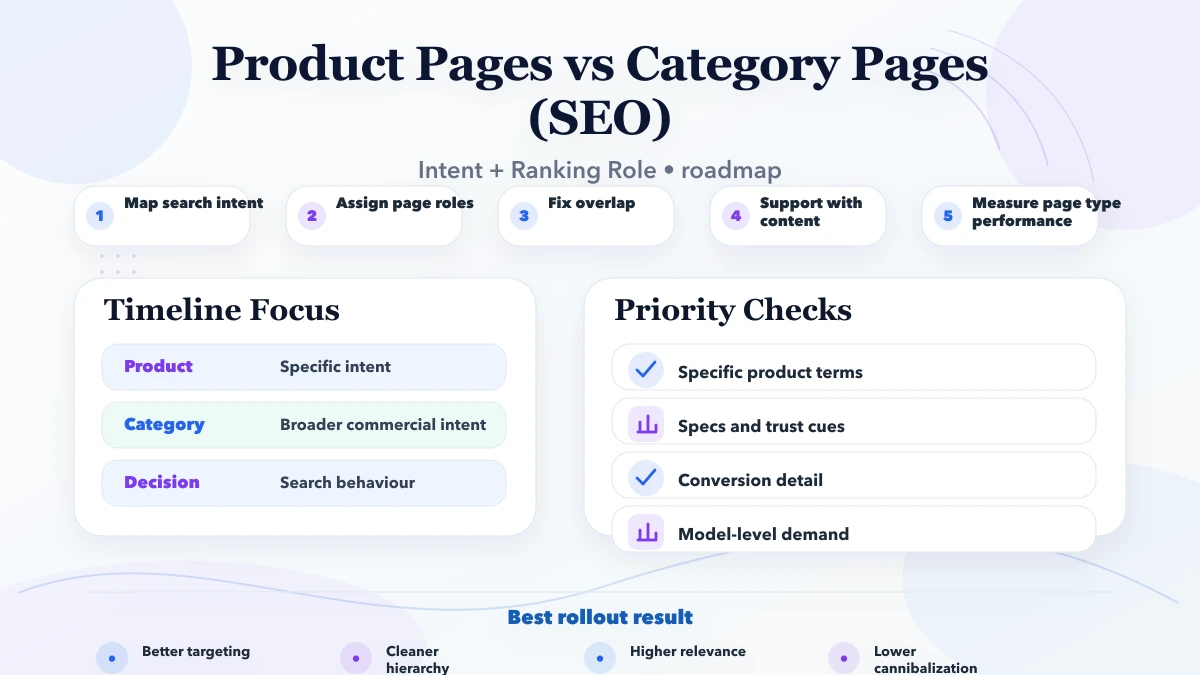
A good timeline keeps diagnosis, implementation, and validation separate. That matters because many websites “change” often but do not really “improve” because the team never checks whether the change solved the actual bottleneck.
The right tools do not replace thinking. They help teams see what is happening faster, fix it more safely, and measure whether the result actually improved conversion or visibility.
When these drivers are acknowledged early, implementation decisions become much more rational. The team can then prioritise based on business impact rather than chasing every idea at once.
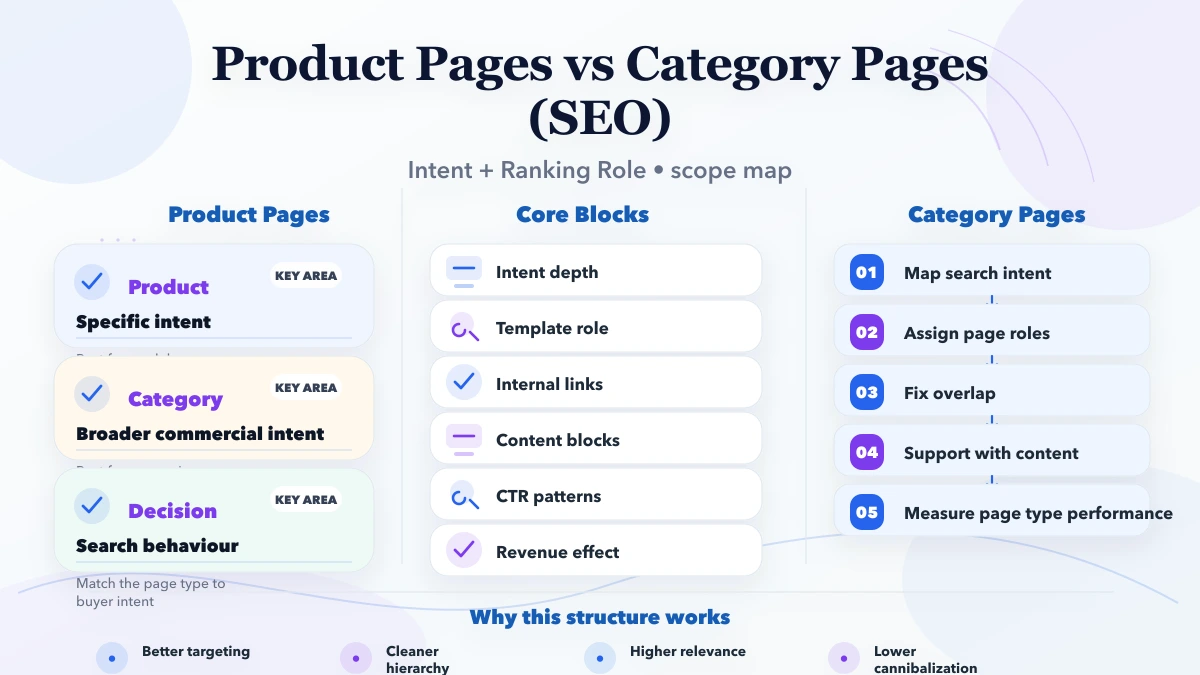
Product pages should lead when search intent is specific, buyers are already looking for a model, format, variant, or narrow product need, and the page can show enough unique value to rank and convert. Category pages should lead when the query is broader and the visitor is still comparing options, brands, sizes, or use cases.
Many ecommerce sites weaken both page types by making them behave the same way. Product pages become too thin and generic, while category pages become just a grid with almost no context. The stronger approach is to give each page type a separate job in the search funnel. Category pages should guide discovery and comparison. Product pages should close clarity gaps and support the final decision.
A useful internal-link structure pushes authority from navigation, categories, blog content, and comparison content toward the right commercial pages. Category pages should link to top products, buyer guides, and supportive FAQ content. Product pages should link back to the parent collection, related products, and use-case content where relevant.
This linking model helps search engines understand hierarchy and helps users move without friction. It also reduces the common problem where every page competes for the same keyword because the site never signals which page should be primary for which intent.
One common mistake is forcing product pages to rank for broad category terms when the buyer clearly wants comparison and choice. Another is expecting category pages to rank for highly specific product-model searches where the user really wants one item page with exact information. Both mistakes create weaker rankings and weaker conversions.
A cleaner targeting model gives broad transactional phrases to category pages and specific product intent to product pages. Supporting content can then help bridge research-stage demand and push relevance toward the commercial pages that deserve it most. This is a more scalable structure than trying to make every page rank for everything.
Most underperformance comes from fragmented execution. The page, tracking, copy, technical layer, and user path must support each other.
If you want better results, do not start with a redesign or a tool purchase blindly. Start by documenting the current path: where the visitor lands, what they see, what they do next, and where the drop happens.
Usually yes. Broad commercial searches often match category intent better because the user is still exploring options. Category pages are ideal when they help shoppers compare and narrow choices.
Yes. Product pages are stronger for specific model, SKU, or item-level intent because the user already knows what they want and is closer to conversion.
Yes, but for different terms or intent layers. Problems start when both compete for the same target phrase without clear differentiation in purpose and content.
Then they often struggle. A useful category page needs at least some context, structure, comparison value, and internal linking support beyond the product grid alone.
They can. If filter combinations create indexable duplicates or weak variants, they can dilute crawl budget and confuse search engines. Canonical and crawl controls matter a lot here.
Start by checking where impressions already exist, which pages convert better, and which intent is commercially valuable. Then align page roles with that evidence.
Mostly, but similar logic applies anywhere list pages and detail pages compete. Search intent should decide page role, not habit or platform defaults.
If you want this implemented properly instead of as another generic checklist, share the current website, traffic source mix, and business goal. We can then map the right fix, timeline, and rollout clearly.
Related Articles
April 28, 2026
Ecommerce SEO for Indian stores in 2026: structure, pricing, timelines, product/category strategy, technical fixes, and practical growth plan.
Read article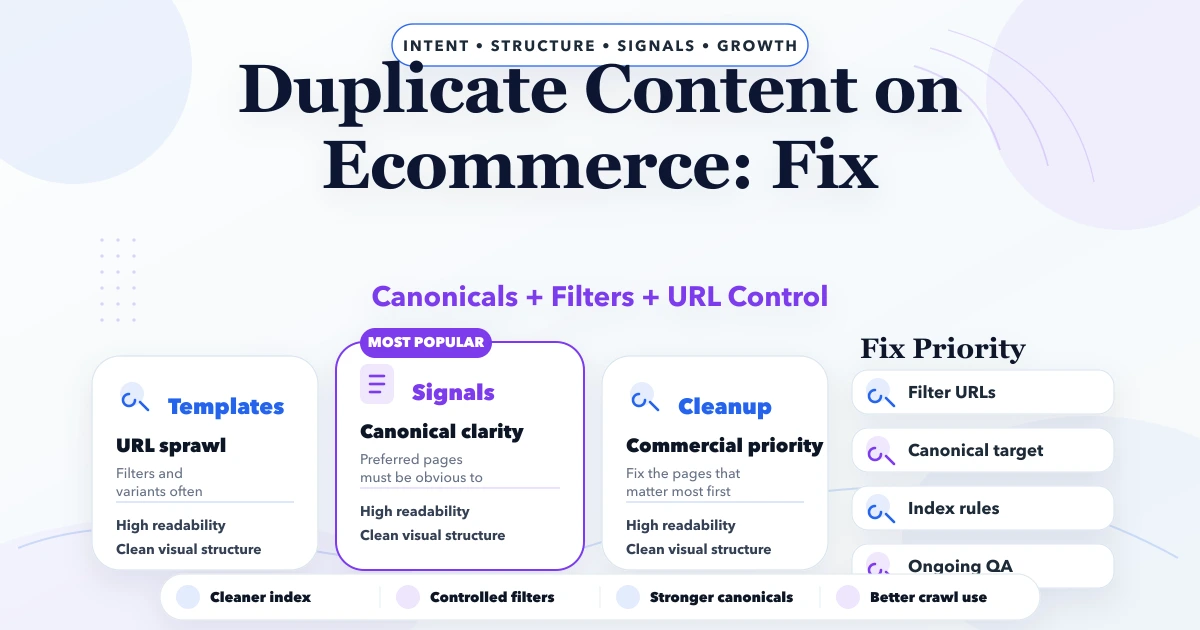
April 30, 2026
Duplicate content on ecommerce fix guide with canonicals, filters, product variants, timelines, pricing, and cleanup strategy for stores.
Read article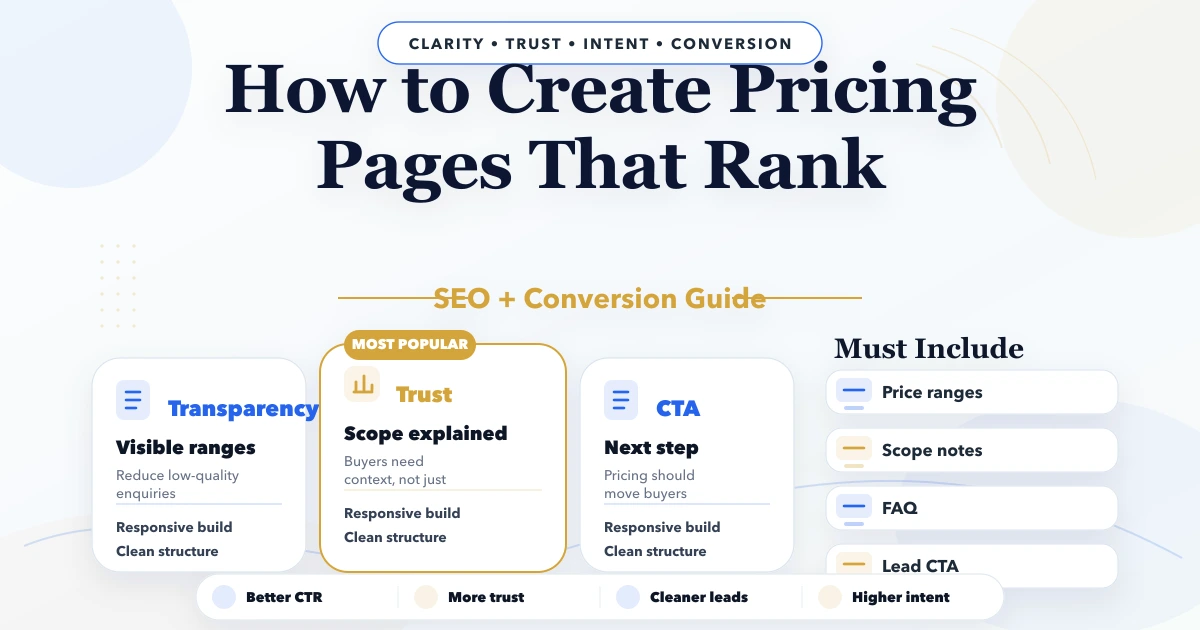
April 22, 2026
Build an SEO pricing page with clear scope, ranges, cost drivers, comparison tables, FAQs, schema boundaries, internal links, and conversion tracking.
Read article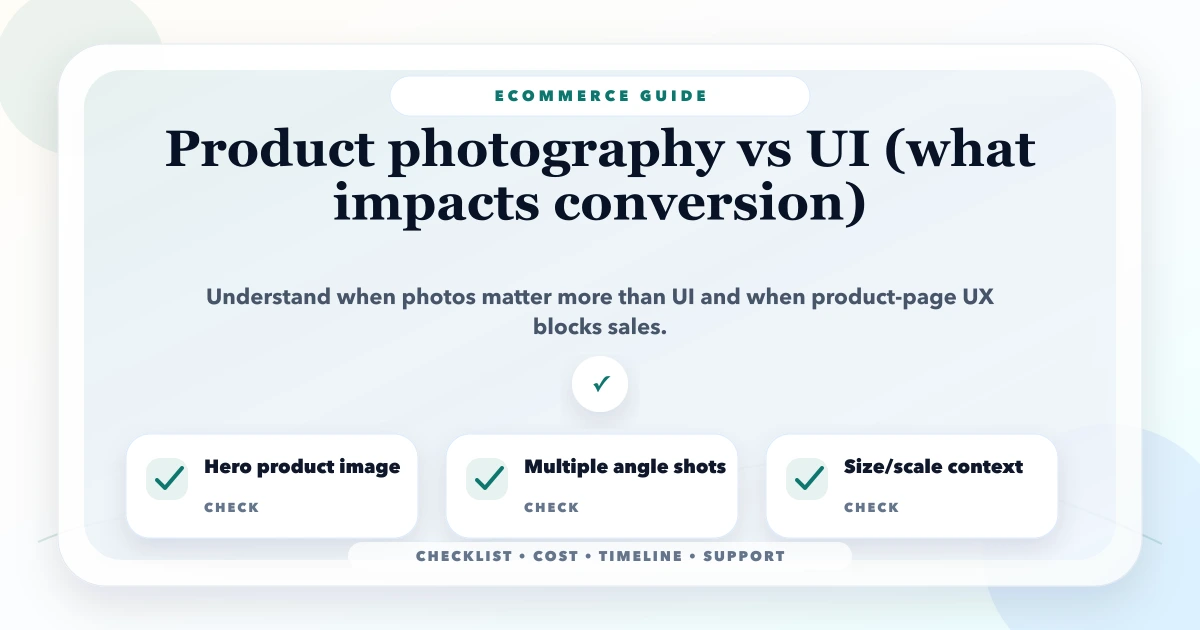
May 18, 2026
Diagnose whether ecommerce conversion needs better product photography, product-page UI, offer clarity, trust, performance, or checkout before investing.
Read article